Site & Area Luminaires: Choosing the Right Medium & Large Area Fixtures, Wall Sconces, Bollards, and Post Tops
Dec. 01, 2025
Share:
Outdoor site and area lighting does more than just brighten a space — it defines safety, extends usable hours, showcases architecture, and shapes the mood of public and private landscapes. For designers, facility managers, and specifiers, selecting the right combination of medium and large area luminaires, wall sconces, bollards, and post-top fixtures can make the difference between an efficient, code-compliant installation and a costly, glare-prone one. Below is a concise, practical guide to help you choose and specify the right fixtures for your next outdoor lighting project.
· Safety & security — consistent visual guidance for pedestrians and vehicles.
· Visual comfort — controlled glare, even illumination and correct color rendering.
· Energy efficiency & lifetime value — lower operating costs with modern LED drivers and optics.
· Aesthetic integration — fixtures that complement architecture and landscape design.
Medium & Large Area Luminaires — what they are and where to use them
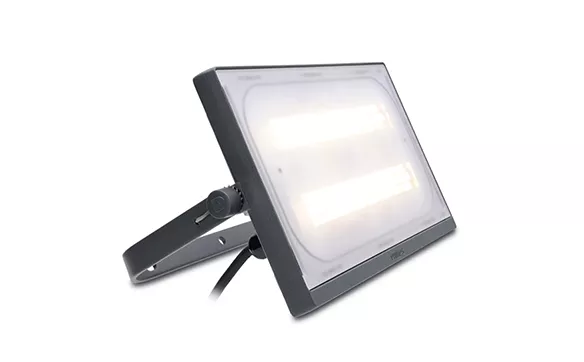
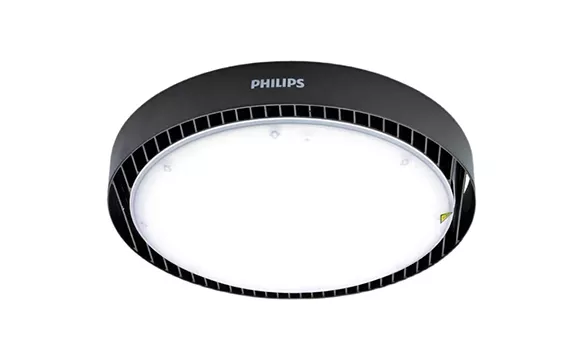
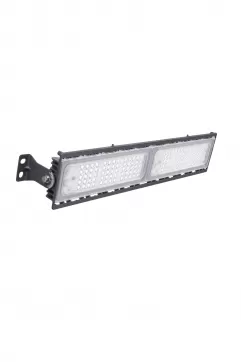
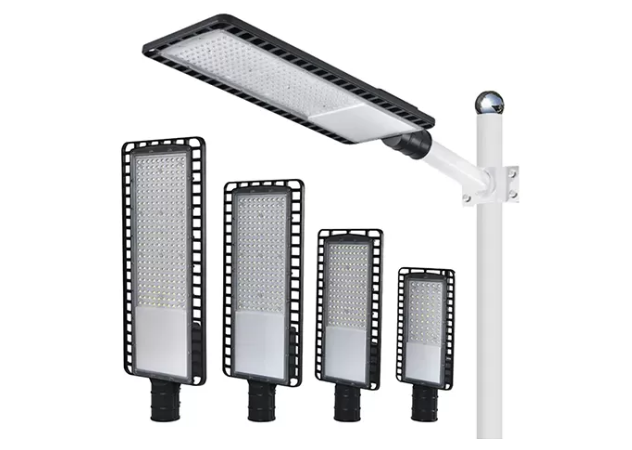
Definition & typical uses: Medium and large area luminaires are high-output fixtures designed to illuminate open areas such as parking lots, loading yards, sports courts, industrial yards, and large campus plazas.
Key selection criteria:
· Lumen output & distribution: 10,000–60,000+ lumens depending on application and mounting height. Choose Type II–V distributions for roadway and area layouts.
· Mounting height: Medium area (4–8 m); large area (8 m+). Match optics to mounting height for uniformity.
· Ingress & impact protection: Minimum IP65 for outdoor use; IK08+ for vandal resistance in high-risk locations.
· Controls compatibility: DALI, 0–10V, or wireless control for scheduling, dimming, and part-night operation. Benefits: High uniformity, reduced maintenance vs HID, flexible mounting, and integrated thermal management for long life.
Wall Sconces — form meets function
Purpose: Wall sconces provide vertical illumination along facades, entrances, walkways and building perimeters. They balance decorative value with task lighting.
Specification tips:
· Light distribution: Choose fixtures with shielding or louvers to avoid direct glare into windows and to meet Dark Sky or local ordinances.
· Color temperature & CRI: 3000K–4000K with CRI ≥70 is common for architectural facades; 2700K–3000K for warmer, hospitality contexts.
· Mounting & finish: Wet-location rated housings and powder-coated finishes withstand coastal or harsh environments. Applications: Building entries, corridor lighting, accenting texture and vertical surfaces.
Bollards — human-scale guidance and landscape integration
Role: Bollards provide pathway guidance, low-level task lighting, and landscape accents while also serving as subtle barriers where needed.
What to check:
· Height & beam spread: Typical heights 300–1200 mm; choose narrow beams for wayfinding or wide for surface wash.
· Glare control: Frosted lenses and diffusers reduce discomfort for pedestrians.
· Durability: Corrosion-resistant materials (stainless steel, die-cast aluminum) and tamper-proof fastenings. Use cases: Parks, pathways, plazas, hotel grounds, promenades.
Post Top Luminaires — classic form, modern performance
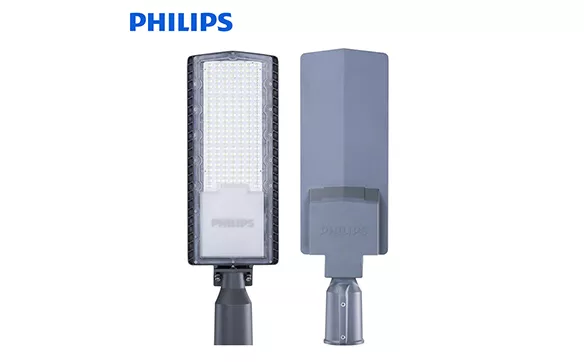
Overview: Post-top fixtures pair aesthetic appeal with area lighting functionality. They are widely used in streetscapes, parks, and pedestrian zones.
Considerations:
· Mounting & height: Commonly mounted on 2.5–6 m poles — select optics to ensure even spacing and limit light trespass.
· Design variety: From decorative lantern styles to minimalist modern housings — optics can be integrated without sacrificing style.
· Maintenance: Choose models with accessible drivers and replaceable modules to minimize downtime. Benefits: Blend of aesthetic identity and practical illumination for community spaces.
Practical selection checklist
· Determine required vertical and horizontal illuminance (lux/footcandles) and uniformity targets.
· Choose CCT & CRI to match atmosphere and color fidelity needs.
· Confirm IP/IK ratings and material finishes for environment.
· Verify photometric files (IES/LDT) for accurate lighting design and spacing.
· Ensure controls & surge protection compatibility for energy savings and reliability.
· Check warranty, driver lifetime, and serviceability.
Installation & maintenance tips
· Use surge protection and proper grounding to protect LED drivers.
· Clean lenses and housings periodically to preserve light output — marine or dusty environments need more frequent cleaning.
· Keep driver and lumen depreciation data (L70) in asset records to plan lifecycle replacement.
· Opt for fixtures with modular optics/drivers to simplify future upgrades.
Typical project examples
· School campus: Mix of medium area luminaires for parking and sports courts, post tops for drop-off zones, wall sconces at entrances, and bollards for pedestrian paths.
· Mixed-use development: Decorative post tops in plazas, high-output area luminaires for service areas, and wall-mounted uplights to accent architecture.
Conclusion
Selecting the right mix of medium and large area luminaires, wall sconces, bollards, and post-top fixtures means balancing photometric needs, durability, energy efficiency, and aesthetics. Thoughtful specification — backed by photometric data and control strategy — minimizes lifecycle costs while delivering safer, more attractive outdoor spaces.
Want help specifying fixtures for a particular site? Contact our lighting experts for photometric reports, layout assistance, and product datasheets tailored to your project.