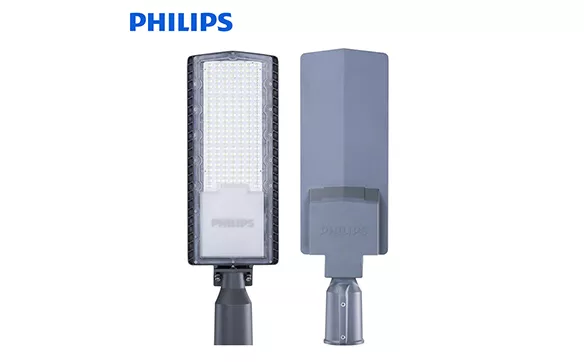
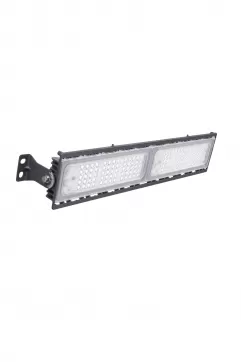
Street lighting technology has evolved significantly in recent years, and the change is especially noticeable with the widespread adoption of LED street lights. Powered by high-efficiency light-emitting diodes (LEDs), these modern lighting systems provide reliable illumination for roads, sidewalks, public spaces, and parking areas while delivering superior performance compared to traditional lighting solutions.
One of the main reasons cities and municipalities are transitioning to LED street lighting is its outstanding lifespan and energy efficiency. LED fixtures typically last much longer than conventional lamps and consume significantly less electricity, helping reduce both maintenance frequency and operating costs. In addition, LED lights do not contain hazardous substances such as mercury, making them a safer and more environmentally responsible choice.
As urban infrastructure continues to modernize, LED street lights have become a preferred solution for planners and facility managers seeking sustainable and cost-effective lighting. Beyond improving nighttime visibility and safety, LED technology supports long-term energy savings and contributes to building smarter, greener cities.
Advantages of LED Street Lights Over Traditional Lighting
LED street lights have become increasingly popular due to their outstanding performance and long-term value. One of their key advantages is their extended lifespan and durability. Unlike traditional lighting technologies that rely on fragile filaments or gas-filled bulbs, LED fixtures are built with solid-state components designed for long-term operation. As a result, they can deliver stable lighting performance for many years, significantly reducing maintenance frequency and replacement costs—an important benefit for large-scale municipal and commercial lighting projects.
Another major advantage of LED street lighting is its excellent light quality. LEDs offer superior color rendering and produce illumination that is closer to natural daylight. This improves nighttime visibility for drivers, cyclists, and pedestrians, helping people identify objects, road signs, and potential hazards more clearly, which enhances overall road safety.
LED street lights also provide substantial environmental benefits. Unlike many conventional lighting sources, LEDs do not contain hazardous substances such as mercury, making them safer for both installers and the environment. In addition, they are highly energy-efficient, often reducing electricity consumption by up to 70% compared with traditional lighting systems. This significant energy reduction not only lowers operating costs but also supports sustainability and carbon reduction initiatives.
Overall, upgrading to LED street lighting is more than a technological improvement—it is a practical and sustainable solution that delivers long-term economic, environmental, and performance advantages.
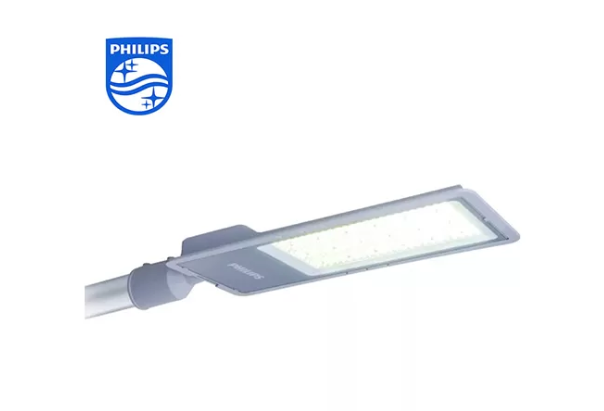
Types of Energy-Efficient Street Lights
There are several types of energy-efficient street lights, each designed for different applications and environments. Understanding these variations can help you choose the right lighting solution for specific needs.
Commercial Street Lighting
The most common type is commercial street lighting. These lights are typically mounted on tall poles along roadsides or in medians. Their main purpose is to provide consistent illumination for roads, intersections, and pedestrian crossings, helping improve safety for both drivers and pedestrians.
High Mast Lights
For large areas that require wide lighting coverage—such as stadiums, ports, and large parking lots—high mast lights are often the preferred solution. These lighting systems are installed at heights ranging from 40 to 150 feet and usually support multiple light fixtures. This design allows them to deliver broad and uniform illumination across large spaces.
General Flood Lights
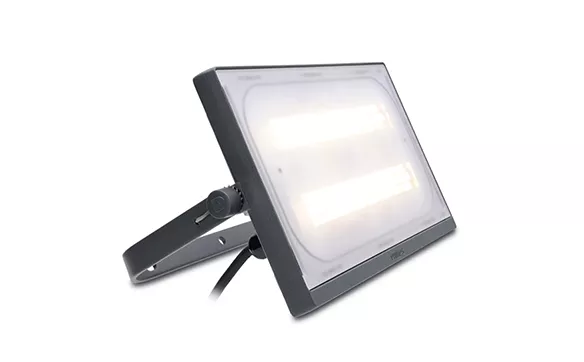
For applications that require flexibility, general flood lights are a practical option. These powerful and versatile luminaires provide strong illumination for outdoor spaces. With the use of LED technology, they consume less energy while still delivering high brightness, making them a popular choice for large-scale outdoor lighting projects.
Replacing HID Lamps With LED Lighting
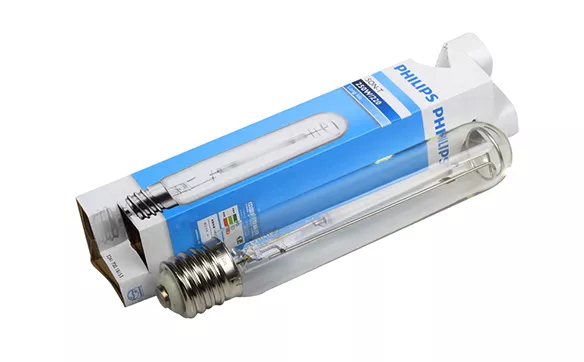
High-intensity discharge (HID) lamps have long been widely used for street and large-area lighting. However, with advances in lighting technology, LED solutions have increasingly become the preferred choice. The advantages of LEDs over HID lamps are clear, making the transition an attractive option for municipalities and facility managers.
One of the most significant benefits of LED lighting is its energy efficiency. LEDs can be up to 60% more energy-efficient than traditional HID lamps, which leads to substantial reductions in electricity consumption and long-term operating costs. This makes LED upgrades an appealing investment for both public infrastructure projects and private facilities.
LED lighting also requires less maintenance. Unlike HID lamps, which rely on gas discharge and often need frequent replacement, LEDs operate using solid-state technology that provides more stable and reliable performance. Their durable construction allows for longer service life, reducing maintenance needs, lowering replacement costs, and minimizing environmental waste.
Another important advantage is the superior light quality provided by LEDs. With a higher color rendering index (CRI), LED lights produce illumination that is closer to natural daylight. This improved visibility allows drivers and pedestrians to recognize objects more clearly at night, enhancing safety while improving the overall functionality and appearance of urban environments.
Choosing the Right Wattage and Specifications
When selecting LED street lights, several factors should be considered to ensure optimal performance, efficiency, and suitability for your specific application.
Wattage
LED street lights typically use lower wattage than traditional lamps. For example, a 100W high-pressure sodium lamp can often be replaced with a 36W LED fixture. It’s important to match the wattage to the pole height and coverage area. Lower wattages, such as 10W, are generally suitable for shorter poles, while higher wattages, like 100W or 120W, are recommended for taller installations exceeding 10 meters.
LED Driver
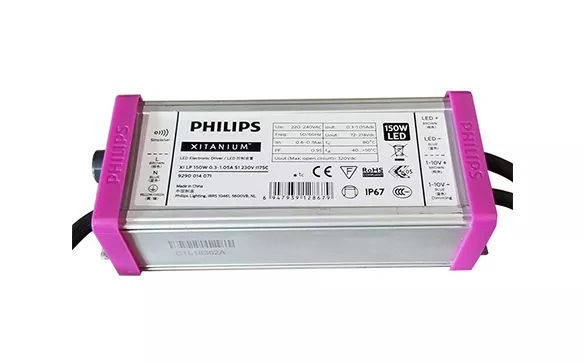
The LED driver converts AC power to DC, providing stable and reliable operation throughout the light’s lifespan. A high-quality LED driver can ensure the fixture lasts 10 to 20 years or more. Consider additional features such as lumen output compensation or timed dimming functions to maximize energy efficiency and operational flexibility.
LED Chips
The type and quality of LED chips directly affect the light’s brightness, stability, and energy performance. Popular models like the 3030 and 5050 chips offer excellent cost-performance balance and energy management capabilities. Selecting the appropriate chip is critical for both immediate performance and long-term reliability.
Lens/Optics and Color Temperature
Optics are essential for uniform light distribution, and customized lenses can address the specific requirements of roads, pathways, or architectural areas. Correlated color temperature (CCT) also plays a key role, influencing the hue of emitted light—cool, neutral, or warm. Choosing the right CCT enhances both visual comfort and nighttime safety.
Color Rendering Index (CRI)
CRI measures how accurately a light source reproduces colors compared to natural light. While a CRI of 100 is ideal, a CRI around 70 is typically sufficient for street lighting, improving visibility and recognition of objects without significantly increasing energy consumption.
Installation Considerations for LED Street Lights
Proper installation of LED street lights is essential to ensure optimal performance and consistent illumination across the intended area. Follow these steps to achieve a safe and effective setup:
1. Preparation: Carefully review the manufacturer’s instruction manual before beginning. Understanding the specific requirements and recommendations ensures safety and maximizes the performance and lifespan of the lights.
2. Unpacking and Inspection: Unpack each street light with care and inspect all components for any damage that may have occurred during shipping. Early detection of issues prevents future installation problems.
3. Fastening the Fitter: Attach the fitter to the street light at the recommended tilt angle using the provided screws. Correct positioning is crucial for directing light evenly and effectively across the target area.
4. Wiring: Run the wires safely through the designated pathways into the fixture. Ensure that connectors (such as M16) and external power cords are tightly secured. All connections to terminal blocks or switches should be completed before powering the light to prevent electrical hazards.
5. Mounting: Install the lamp onto the pole, verifying that it is securely fitted. Proper mounting ensures stability and optimal light distribution.
6. Final Checks and Activation: Close the cover and clips, then turn on the power to verify correct operation. Follow all recommended checks and procedures outlined in the manual to ensure the light functions as intended.
Smart LED Street Lights
With technological advancements, street lighting is becoming smarter, providing more efficient management of urban spaces. Smart LED street lights may include:
· Light-Sensing Cells: Automatically adjust brightness based on ambient light levels, ensuring consistent illumination throughout day and night.
· Cameras and Motion Sensors: Monitor traffic flow and pedestrian activity, adapting light intensity to active areas to enhance safety.
· Remote Control and Automation: Enable centralized management of the lighting network, allowing adjustments and diagnostics without physical intervention.
Smart LED systems not only improve visibility and safety but also optimize energy usage, reduce maintenance needs, and support the development of intelligent urban infrastructure.
How Solar Street Lights Work
Solar street lights use photovoltaic (PV) panels to capture sunlight and store energy in rechargeable batteries during the day. At dusk, the system automatically activates, drawing power from the stored energy to illuminate streets, pathways, and parking areas. This off-grid design reduces reliance on the electrical grid, offering energy independence while lowering electricity costs.
Advantages of Solar Street Lights
By harnessing renewable solar energy, these lights help reduce carbon emissions, supporting sustainability initiatives and green certifications for municipalities and organizations. Key benefits include:
· Cost Savings: Although the initial investment may be higher than traditional street lighting, solar street lights incur minimal operating costs, as they eliminate electricity consumption and related expenses.
· Reduced Infrastructure Requirements: Solar street lights do not require extensive electrical wiring, making them ideal for remote, rural, or underdeveloped areas.
· Reliability: With advanced battery storage, solar-powered street lights provide consistent illumination throughout the year, even during cloudy or low-sunlight conditions.
Solar street lighting offers a sustainable, cost-effective, and independent solution for modern urban and rural environments.
FAQs: LED Street Lights
Below are answers to some common questions about LED street lights. Please contact us if you need more information.
1. What considerations should be made when selecting the wattage for commercial street lighting?
When selecting wattage, consider the pole height, area size, desired brightness, and the number of lanes, if applicable. Higher wattages are needed for taller poles and larger areas to ensure adequate and even lighting.
2. What are the main benefits of switching to LED street lights?
LED street lights offer several advantages over traditional lighting, including higher energy efficiency, lower maintenance costs, longer lifespan, and improved environmental friendliness. They also provide better color rendering and are more durable, making them a sustainable and cost-effective choice for public and commercial lighting.
3. How do solar-powered street lights work, and are they reliable?
Solar-powered street lights use photovoltaic panels to capture sunlight and charge batteries during the day. This stored energy powers the lights at night. They are reliable, especially with modern battery technologies, and can provide consistent lighting even in less-than-optimal weather conditions.