News

Home - News - Flood Lights vs. Spot Lights: What's the Difference?

Flood Lights vs. Spot Lights: What's the Difference?

Jun. 30, 2026

When planning a lighting project, two common terms often appear: flood lights and spot lights. They may look similar at first, especially when both use LED technology, but their lighting effects are very different. Choosing the wrong type of light can cause uneven brightness, wasted energy, glare, or poor visual performance.

The main difference between flood lights and spot lights is the beam angle. A flood light spreads light across a wide area, while a spot light concentrates light on a specific object or smaller zone. In simple terms, flood lights are used for coverage, and spot lights are used for focus.

For commercial buildings, retail stores, hotels, offices, showrooms, outdoor areas, and residential projects, understanding this difference is important before selecting the right LED lighting fixture.


image.png


What Is a Flood Light?


A flood light is designed to provide wide and even illumination. As the name suggests, it “floods” an area with light. Instead of focusing on one object, it spreads brightness across a larger surface.

Flood lights usually have a wide beam angle, commonly around 60° to 120° or more. This wide beam makes them suitable for open spaces where general visibility and safety are more important than decorative highlighting.

Common applications of flood lights include parking lots, building exteriors, sports courts, warehouses, factory yards, loading areas, gardens, and security lighting. In these places, the goal is usually to reduce dark areas and provide enough brightness for people, vehicles, or equipment to move safely.

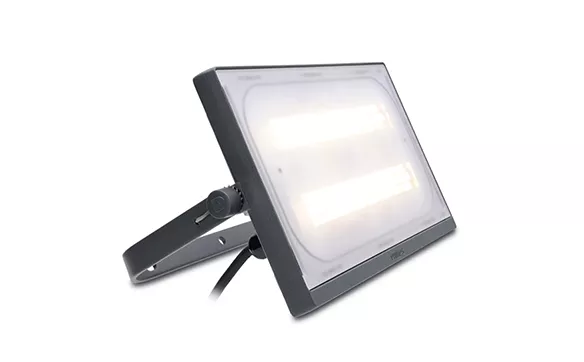
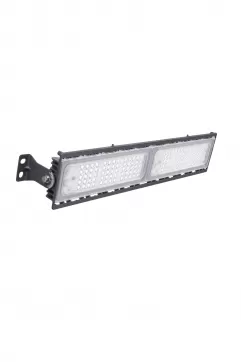
LED flood lights are popular because they offer high brightness, lower energy consumption, long service life, and better durability compared with traditional halogen or metal halide lamps. For outdoor projects, good flood lights also need waterproof protection, stable heat dissipation, and strong housing materials.


What Is a Spot Light?


A spot light is designed to create a narrow and focused beam. Instead of lighting a large area, it directs brightness toward a specific point. This makes it ideal for highlighting objects, architectural details, display shelves, artwork, signs, or task areas.

Spot lights usually have a narrower beam angle, often from 10° to 45°. The narrower the beam angle, the stronger and more concentrated the light effect becomes. This is why a spot light can make a product, wall feature, or decorative element stand out clearly.

Common applications of spot lights include retail stores, hotels, restaurants, galleries, showrooms, offices, corridors, residential interiors, and commercial display areas.

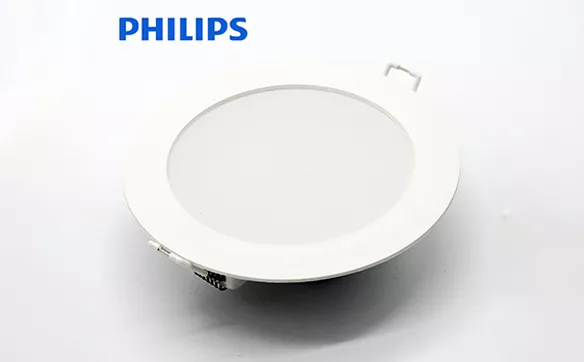
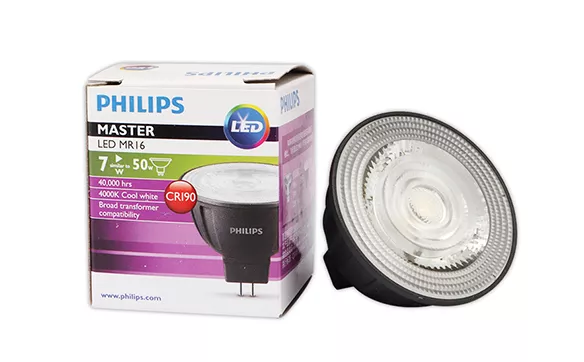
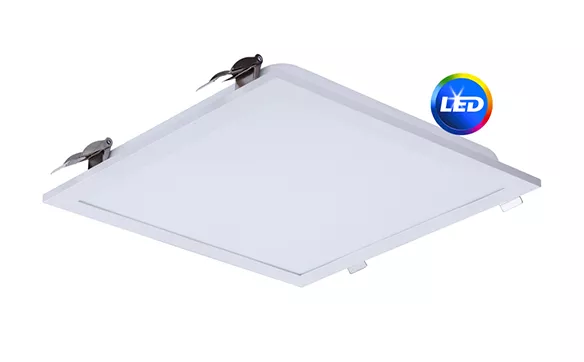
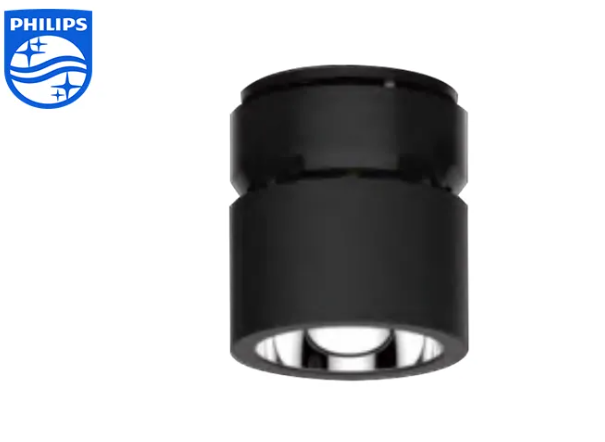
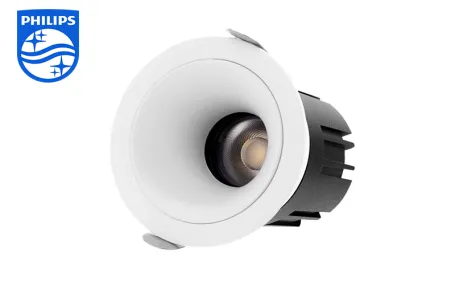
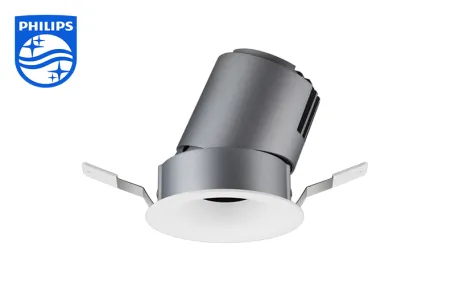
For indoor projects, LED downlight spot lights are especially useful. Products such as Philips-style downlight spot lights are often installed into ceilings to create a clean and modern appearance while directing light downward or toward a selected area. They are suitable for shops, offices, hotels, meeting rooms, corridors, and other commercial interiors where both comfort and visual focus are required.


Flood Light vs. Spot Light: Main Differences


The biggest difference between flood lights and spot lights is not simply wattage or brightness. Many buyers compare lumens first, but lumens only measure total light output. They do not show how the light is distributed.

A flood light spreads its lumens over a wider area. This creates broad coverage but lower intensity on a single point. A spot light concentrates its lumens into a narrower beam. This creates stronger brightness on the target area.

Flood lights are better for general lighting. Spot lights are better for accent lighting.

Flood lights are suitable for large areas. Spot lights are suitable for specific objects or zones.

Flood lights create soft and even brightness. Spot lights create contrast, focus, and visual depth.

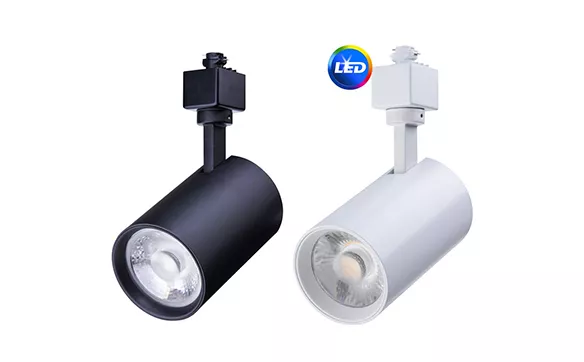
Flood lights are commonly installed on walls, poles, brackets, or outdoor structures. Spot lights are often installed in ceilings, tracks, recessed fixtures, or adjustable brackets.


Why Beam Angle Matters


Beam angle is the most important factor when comparing flood lights and spot lights. It determines how wide or narrow the light spreads from the fixture.

A wide beam angle covers more space. A narrow beam angle creates a more concentrated light effect.

For example, if you install a flood light outside a building, it can illuminate a driveway, yard, or parking area. If you install a spot light in the same position, it may only brighten one small area and leave the surrounding space dark.

In indoor lighting, beam angle also affects atmosphere. A narrow beam spot light can make a product display look more premium, but if it is installed incorrectly, it may create glare or harsh shadows. A wider beam downlight can make a room feel brighter and more comfortable, but it may not create enough focus for key products or decorative areas.

This is why lighting selection should consider ceiling height, mounting distance, target area, beam angle, and the final visual effect.


Lumens, Intensity, and Real Lighting Effect


Many people think higher lumens always mean better lighting. In reality, the lighting effect depends on how those lumens are used.

A flood light with high lumens may brighten a large outdoor space, but the brightness on one small object may not be very strong. A spot light with fewer lumens may appear brighter on a product display because the beam is concentrated.

For commercial lighting projects, the goal is not only to choose a bright fixture. The goal is to choose the right light distribution. A retail store may need spot lights to highlight shelves and products. A warehouse yard may need flood lights to provide wide and safe visibility. A hotel corridor may use recessed downlight spot lights to create a clean, comfortable, and directional lighting effect.


When Should You Use Flood Lights?


Flood lights are the better choice when you need wide-area illumination.

You should choose flood lights when the space is large and open, the project requires general visibility, or the lighting needs to improve safety and security. They are also suitable when the fixture is installed at a higher position and needs to cover a broad surface.

Typical flood light projects include parking lots, building facades, outdoor walkways, sports areas, gardens, industrial yards, and loading zones.

For these applications, the lighting design should avoid excessive glare and uneven dark spots. The beam angle, installation height, wattage, and fixture direction should all be planned carefully.


When Should You Use Spot Lights?


Spot lights are the better choice when you need focused illumination.

You should choose spot lights when the project needs to highlight a product, object, wall, sign, artwork, or specific working area. Spot lights are also suitable when visual atmosphere matters.

In retail stores, spot lights can guide customer attention to key products. In hotels and restaurants, they can create a warm and layered lighting effect. In offices and commercial interiors, LED downlight spot lights can provide clean ceiling lighting while keeping the space bright and comfortable.

For indoor projects, spot lights should be selected according to beam angle, color temperature, color rendering, anti-glare design, and installation style. A good LED spot light should provide stable brightness, comfortable visual performance, and long-term reliability.


Can Flood Lights and Spot Lights Be Used Together?


Yes. In many professional lighting projects, flood lights and spot lights are used together.

Flood lights provide the base layer of brightness, while spot lights add focus and visual hierarchy. For example, a building exterior may use flood lights to illuminate the main wall and spot lights to highlight the logo or entrance. A retail store may use general downlights for comfortable brightness and spot lights to highlight display shelves.

This combination often creates a better result than using only one type of lighting.


How to Choose the Right LED Light


Before choosing between flood lights and spot lights, consider the purpose of the lighting first.

If you need to illuminate a large area, choose flood lights. If you need to highlight a specific area or object, choose spot lights.

Also consider beam angle, installation height, indoor or outdoor use, brightness requirement, glare control, color temperature, product quality, and energy efficiency.

For outdoor and industrial projects, waterproof performance, housing strength, and heat dissipation are very important. For indoor commercial projects, appearance, beam control, anti-glare performance, and color rendering are more important.


Conclusion


Flood lights and spot lights serve different purposes. A flood light is designed for broad and even illumination, while a spot light is designed for focused and directional lighting.

If your project needs wide coverage for outdoor areas, parking lots, yards, or building exteriors, LED flood lights are usually the better choice. If your project needs accent lighting, product display lighting, ceiling lighting, or architectural highlighting, LED spot lights or downlight spot lights are more suitable.

By understanding the difference between flood lights and spot lights, you can choose the right LED lighting solution for better brightness, comfort, efficiency, and long-term performance.


Related Products
wechat
wechat