LED tunnel lights must withstand harsh operating conditions, including constant vibration, moisture, dust, and continuous operation. An IP66 minimum protection rating is essential to ensure reliable performance and long service life. The tunnel entrance transition zone requires the highest illumination levels—often up to ten times brighter than the tunnel interior—to help drivers' eyes adapt safely from bright daylight to the darker environment. In addition, LED technology provides instant-on illumination, a critical feature for tunnel safety and emergency lighting systems.
From busy highway tunnels to underground metro systems, tunnels play a vital role in modern transportation infrastructure. Tunnel lighting is far more than a decorative element; it is essential for safety, energy efficiency, and regulatory compliance. Choosing the right LED tunnel lighting solution improves visibility, helps reduce accidents, and supports smooth traffic flow, whether for vehicles traveling through highway tunnels or pedestrians navigating subway passages.
But why is tunnel lighting so critical across these different environments? Let's explore the key factors.
Why Tunnel Lighting Matters
Safety: Preventing Accidents and Ensuring Visual Clarity
The primary purpose of effective tunnel lighting is simple: ensuring safety. When drivers enter a tunnel, they experience a sudden change in brightness. If this transition is not properly managed, it can create the "black hole effect," where the tunnel entrance appears significantly darker than the surrounding daylight. This temporary loss of visual clarity can momentarily impair a driver's vision and increase the risk of accidents. Properly designed tunnel lighting minimizes these abrupt brightness changes, allowing drivers' eyes to adapt more comfortably and improving overall road safety.
Energy Consumption in Long Tunnels
Energy consumption is a major consideration, particularly in long tunnels where lighting systems operate continuously. Traditional lighting technologies, such as sodium vapor lamps and fluorescent tubes, consume large amounts of electricity and require frequent maintenance. By upgrading to energy-efficient LED tunnel lights, municipalities and infrastructure operators can significantly reduce operating costs while lowering environmental impact. LED lighting typically consumes up to 75% less electricity than conventional lighting systems, helping reduce both energy expenses and carbon emissions.
Regulatory Compliance for Transportation Infrastructure
Tunnel lighting systems must comply with strict safety regulations and industry standards. Organizations such as the American Association of State Highway and Transportation Officials (AASHTO) and the International Commission on Illumination (CIE) provide comprehensive guidelines for tunnel illumination design. Properly designed and installed LED tunnel lighting systems can meet or exceed these requirements, helping infrastructure projects achieve regulatory compliance while avoiding potential safety issues and costly penalties.
Consistent Lighting to Eliminate the "Black Hole" and Flicker Effects
Maintaining consistent illumination throughout a tunnel is essential for both safety and driver comfort. Uneven lighting, excessive shadows, or visible flicker can cause confusion, visual discomfort, and potential hazards for both drivers and pedestrians. High-quality LED tunnel lights provide uniform illumination and stable light output, effectively reducing flicker and minimizing the black hole effect at tunnel entrances. The result is improved visual comfort, reduced eye fatigue, and a safer travel environment throughout the tunnel.
Now that we've established why tunnel lighting is so important, let's examine its specific functions and requirements across different types of tunnel environments.
Transition Zone Lighting: The Most Critical Design Factor
The transition zone at a tunnel entrance is the most critical area in tunnel lighting design and is where accidents are most likely to occur. As drivers move from bright daylight into a comparatively dark tunnel, their eyes require time to adapt to the sudden change in brightness. The lighting system in this zone must provide sufficient illumination to support this visual adaptation and maintain safe driving conditions.
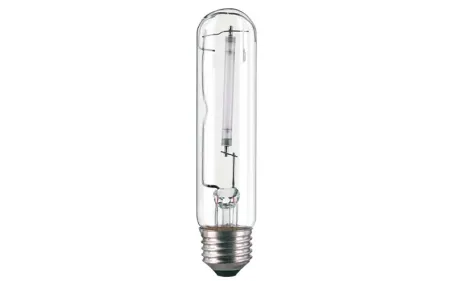
According to IES and CIE standards, transition zone illumination should be significantly higher than that of the tunnel interior—typically ranging from five to ten times brighter near the tunnel portal. LED tunnel lights are particularly well suited for this application because they provide full brightness instantly, without the restrike delay associated with traditional high-pressure sodium (HPS) lamps after a power interruption. The transition zone generally extends two to three stopping distances into the tunnel before illumination levels gradually decrease to those of the interior zone.
IP Ratings and Durability for Tunnel Environments
Tunnel lighting fixtures must withstand demanding operating conditions, including vehicle exhaust, constant vibration from heavy traffic, water infiltration, and fine dust generated by road surfaces and braking systems. For these reasons, an IP66 minimum protection rating is widely regarded as essential for reliable tunnel applications.
Die-cast aluminum housings with durable powder-coated finishes provide excellent resistance to corrosion, while polycarbonate or tempered glass lenses can withstand the high-pressure washing commonly performed during maintenance. In addition, vibration-resistant fixture designs help protect LED drivers from premature failure, one of the leading causes of tunnel lighting outages.
Energy Efficiency and Smart Controls in Modern Tunnel Lighting
Compared with conventional HPS lighting systems, LED tunnel lights typically reduce energy consumption by 50–65%. Even greater savings can be achieved by integrating intelligent lighting controls. Daylight-responsive dimming automatically adjusts transition zone illumination according to exterior lighting conditions, providing higher output on bright, sunny days and lower output under cloudy skies. This feature alone can reduce energy consumption by an additional 20–30%.
Traffic-responsive lighting controls further improve efficiency by lowering illumination levels in interior tunnel zones during periods of light traffic while maintaining safety requirements. Together, LED technology and smart control systems can reduce total tunnel lighting energy consumption by 60–75% compared with fixed-output HPS systems. For long tunnels with continuous lighting operation, these energy savings often allow the investment in LED upgrades to be recovered within just two to three years.
Key Features of Effective Tunnel Lighting
Choosing the right LED tunnel lighting involves selecting fixtures with the features needed to deliver reliable performance, safety, and long-term durability. When evaluating tunnel lighting solutions, the following characteristics are among the most important.
High Lumen Output and Uniform Light Distribution
High lumen output is essential for maintaining clear visibility throughout a tunnel, particularly where significant differences exist between outdoor daylight and interior lighting conditions. Adequate light output helps reduce the visual contrast experienced by drivers when entering or exiting the tunnel. Equally important is uniform light distribution, which minimizes dark spots and excessive brightness, providing consistent illumination that allows drivers, pedestrians, and maintenance personnel to clearly identify their surroundings and potential hazards.
Glare Control and Low Flicker
Effective glare control is a key requirement for tunnel lighting, as excessive glare can reduce visibility and compromise safety. High-quality LED tunnel lights incorporate specially designed lenses and anti-glare optical systems that distribute light precisely where it is needed while minimizing harsh reflections. In addition, low-flicker performance improves visual comfort, reduces eye strain, and helps minimize fatigue, making it particularly beneficial for drivers traveling through long tunnels and pedestrians using underground passageways.
IP Ratings for Dust and Water Protection
Tunnel lighting fixtures must operate reliably in demanding environments where dust, dirt, moisture, and humidity are constantly present. The Ingress Protection (IP) rating indicates a fixture's ability to resist these environmental conditions. For most tunnel applications, an IP65 rating or higher is recommended to provide effective protection against dust ingress and water exposure. This level of protection helps ensure dependable, continuous operation while reducing maintenance requirements and extending the service life of the lighting system.
IK Ratings for Impact Resistance
Impact resistance is an important consideration for tunnel lighting, especially in public areas where fixtures may be exposed to vandalism, falling debris, or accidental impacts, such as pedestrian underpasses and walkways. The IK rating indicates a fixture's ability to withstand mechanical impacts and maintain reliable operation. Tunnel lighting fixtures are commonly available with IK08 or IK10 ratings. An IK08 rating provides protection against moderate impacts, while an IK10 rating offers a higher level of impact resistance for more demanding public environments.
Dimming and Smart Control Compatibility
Modern LED tunnel lights often support dimming functions and integration with intelligent lighting control systems. These capabilities allow illumination levels to be adjusted automatically based on real-time conditions, including traffic volume, ambient daylight, and emergency situations. Smart control systems also enable remote monitoring of fixture performance, making it easier to identify faults, schedule preventive maintenance, and respond quickly to changing operating conditions. As a result, they improve energy efficiency, enhance operational safety, increase system reliability, and help reduce long-term operating costs.
By considering these key features when selecting LED tunnel lighting, tunnel operators can choose solutions that deliver reliable performance, improved safety, greater energy efficiency, and long-lasting durability across a wide range of tunnel applications.
Tunnel Lighting by Environment
Different tunnel environments present different lighting challenges and performance requirements. Selecting the right LED tunnel lighting solution depends on the specific application, operational conditions, and safety objectives. Below are the key lighting considerations and recommended fixture types for several common tunnel environments.
Highway and Roadway Tunnels
Focus: Visibility for high-speed traffic.
Highway tunnels require clear, consistent illumination to support safe driving at high speeds. Drivers must transition smoothly from bright daylight into the tunnel without experiencing visual discomfort or a sudden loss of visibility.
Key Considerations:
· Luminance transitions: Proper luminance control is especially important at tunnel entrances and exits, where gradual changes in brightness help drivers' eyes adapt safely.
· Beam angles: Well-designed beam distributions provide uniform road coverage while minimizing shadows and dark areas.
· Anti-glare optics: Specialized optical systems reduce glare from lighting fixtures, vehicle headlights, and reflections from wet road surfaces, improving driving comfort and safety.
Ideal Products:
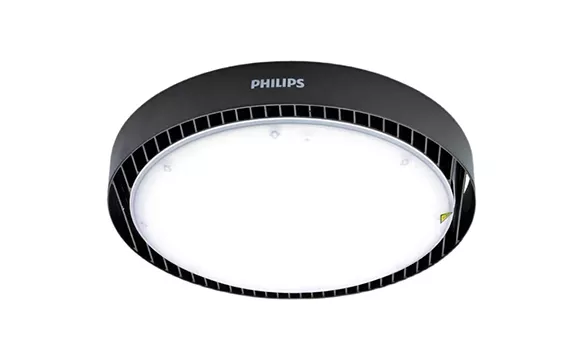
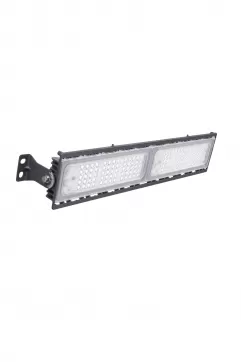
High-output linear or modular LED tunnel lights equipped with dimmable drivers are ideal for highway and roadway tunnels. These fixtures provide smooth luminance transitions, excellent energy efficiency, uniform illumination, and reliable long-term performance.
Subway Tunnels and Stations
Focus: Pedestrian visibility, maintenance access, and aesthetics.
In subway tunnels and stations, lighting serves not only a functional purpose but also plays an important role in creating a safe and comfortable environment for passengers. Bright, uniform illumination improves pedestrian visibility and enhances the overall travel experience, while well-designed lighting contributes to the appearance and atmosphere of public transportation facilities.
Key Considerations:
· Low-glare fixtures: Low-glare optical designs improve visual comfort, reduce eye strain, and provide a more pleasant environment for passengers and maintenance personnel.
· Emergency lighting integration: Integrated emergency lighting ensures that exits, escape routes, and critical areas remain illuminated during power outages or emergency situations, supporting safe evacuation.
· Motion sensors: Motion-activated lighting controls can automatically adjust illumination levels in low-traffic or maintenance areas, reducing energy consumption while extending fixture lifespan and lowering maintenance costs.
Ideal Products:
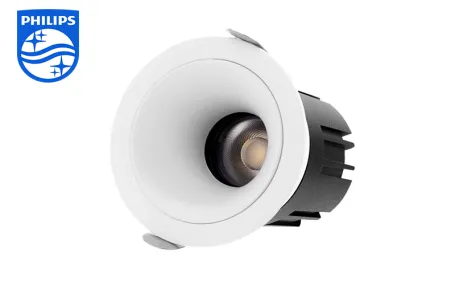
Surface-mounted or recessed LED tunnel lights with low-glare optics, built-in emergency battery backup, and compatibility with motion sensor and intelligent control systems are well suited for subway tunnels and stations, delivering high levels of safety, comfort, and energy efficiency.
Pedestrian Underpasses and Footpath Tunnels
Focus: Visibility, impact resistance, and an inviting ambiance.
Pedestrian tunnels should feel safe, open, and welcoming rather than dark or intimidating. Proper lighting design directly influences user comfort, visibility, and overall usability, helping these spaces feel more secure and easier to navigate.
Key Considerations:
· Warm CCT options (3000K–4000K): Warmer color temperatures help create a friendly and inviting atmosphere, improving perceived safety and comfort for users.
· IK-rated housings: High-impact-resistant fixtures are important in pedestrian environments where lighting may be exposed to tampering, vandalism, debris, or accidental impacts, helping reduce damage and maintenance needs.
· Motion detection: Motion-activated lighting enhances security and energy efficiency by increasing brightness when pedestrians are present and dimming when areas are unoccupied.
Ideal Products:
Compact LED wall-mounted luminaires or impact-resistant LED tunnel lights are well suited for pedestrian underpasses and footpath tunnels. When combined with emergency exit lighting, they help clearly define escape routes, improve safety, and support compliance with public infrastructure lighting standards.
Rail and Freight Tunnels
Focus: Operational safety and equipment inspection.
Rail and freight tunnels require highly reliable illumination to support safe train operations and efficient maintenance activities. Lighting systems must perform consistently under heavy vibration and harsh environmental conditions while clearly illuminating tracks, signage, and critical infrastructure components.
Key Considerations:
· Vibration resistance: Essential for ensuring long-term reliability in environments with continuous train movement and heavy mechanical loads.
· Directional beam control: Precise light distribution is important for targeting specific inspection areas, improving visibility for operational monitoring and maintenance tasks.
· High CRI (Color Rendering Index): Accurate color rendering is crucial for inspections, allowing maintenance personnel to clearly distinguish wiring, structural conditions, and potential defects.
Ideal Products:
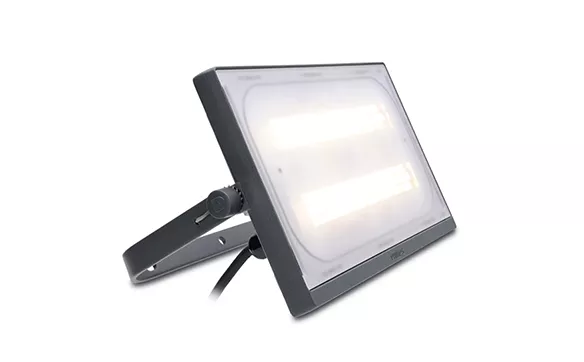
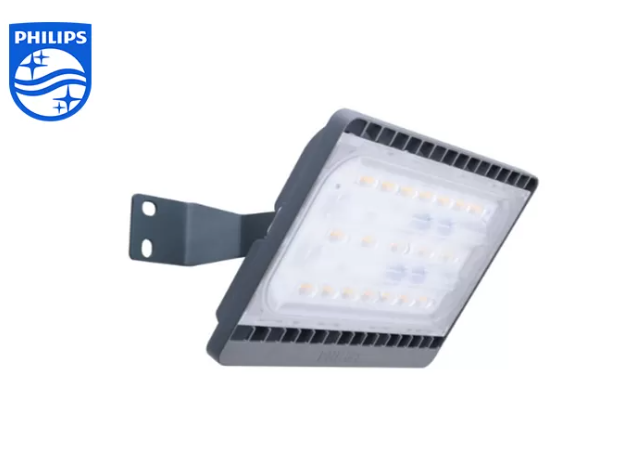
Adjustable LED tunnel floodlights or rigid linear LED fixtures are well suited for rail and freight tunnel applications. These solutions provide stable, high-quality illumination with precise beam control, supporting safe operations and detailed inspection work in demanding railway environments.
Advantages of LED Tunnel Lights Across Environments
Across all tunnel types—from high-speed roadways to pedestrian underpasses—LED tunnel lights consistently outperform traditional lighting technologies. Their advantages are especially evident in long-term performance, operational efficiency, and environmental impact.
Longer Lifespan (100,000–150,000+ Hours)
One of the key advantages of LED tunnel lighting is its exceptionally long service life. LED fixtures typically operate for 100,000 to 150,000 hours or more. In comparison, traditional high-intensity discharge (HID) lighting systems generally last only 15,000 to 25,000 hours. This significant difference results in far greater long-term reliability and dramatically reduces the frequency and cost of replacements.
Reduced Energy Consumption (Up to 70% Compared to HID)
LED tunnel lighting provides substantial energy savings, typically using up to 70% less electricity than conventional HID lamps. This reduction is particularly important for long tunnels that require continuous illumination. Lower energy consumption directly translates into reduced operating costs while also supporting sustainability initiatives by lowering the overall carbon footprint of transportation infrastructure.
Lower Maintenance Costs in Hard-to-Access Tunnels
Maintenance work in tunnels—especially highway, railway, or subway environments—can be costly, disruptive, and potentially hazardous. The long lifespan and high durability of LED tunnel lights significantly reduce maintenance frequency, minimizing labor costs and operational interruptions. Fewer replacements also mean fewer service disruptions and improved safety for maintenance personnel.
Customizable Lighting Controls (Smart Lighting Integration)
LED tunnel lighting systems are highly flexible and can be integrated with advanced smart control technologies. These systems enable automatic adjustments based on real-time conditions such as traffic volume, weather changes, or ambient daylight levels. This adaptability improves safety, enhances energy efficiency, and allows remote monitoring and control, ensuring optimal lighting performance at all times.
Environmentally Friendly (No Mercury, Lower Carbon Footprint)
Unlike many traditional lighting technologies, LED tunnel lights contain no hazardous materials such as mercury or toxic gases. This makes them safer for both installation and disposal, reducing environmental pollution throughout their lifecycle. Combined with their lower energy consumption, LED systems significantly reduce greenhouse gas emissions, making them a more sustainable choice for modern tunnel infrastructure.
Considerations When Choosing Tunnel Lighting
Selecting the right LED tunnel lighting requires evaluating several technical and environmental factors. These criteria help ensure that the lighting system delivers safe, efficient, and compliant performance throughout its service life.
Tunnel Length and Traffic Type
Tunnel length and traffic characteristics are key determinants of lighting design. Short tunnels generally require simpler lighting configurations, while long tunnels need more advanced luminance control to ensure safe visual adaptation at entrances and exits. In addition, tunnels with high-speed traffic require higher illumination levels, more precise beam distribution, and stronger glare control compared to pedestrian tunnels or low-speed environments.
Mounting Height and Structural Materials
Mounting height directly affects how light is distributed within the tunnel. Lower ceiling heights typically require wider beam angles and lower lumen-output fixtures to achieve uniform coverage, whereas higher ceilings demand higher-output luminaires with narrower beam angles to effectively reach the roadway or walking surface. Structural materials such as concrete, steel, or reflective linings also influence light reflection and dispersion, making it important to select fixtures that are compatible with the tunnel’s construction characteristics for optimal lighting uniformity.
Desired Control Systems (Dimming, Photocells, Motion Sensors)
Modern tunnel lighting systems increasingly rely on intelligent control technologies to improve efficiency and performance. Features such as dimming capability, photocell-based daylight sensing, and motion detection allow lighting levels to adjust dynamically based on real-time conditions. Selecting LED tunnel lights that support these control systems enhances safety, reduces energy consumption, and simplifies long-term maintenance.
Regulatory Codes and Industry Standards (e.g., IESNA, EN 13201)
Compliance with established lighting standards is essential for any tunnel lighting project. Organizations such as the Illuminating Engineering Society of North America (IESNA) and the European standard EN 13201 define requirements for illuminance levels, uniformity ratios, glare limitation, and color quality. Ensuring that LED tunnel lighting systems meet or exceed these standards helps guarantee regulatory compliance, operational safety, and consistent lighting performance.
By carefully evaluating these factors, tunnel operators and designers can select LED lighting solutions that provide reliable, efficient, and application-specific illumination across a wide range of tunnel environments.
Conclusion
From highways to subways, and from pedestrian tunnels to rail passages, effective tunnel lighting is essential for ensuring safety, efficiency, and user comfort. Selecting high-quality LED tunnel lighting not only significantly reduces energy consumption and maintenance costs but also helps meet regulatory requirements while supporting environmental sustainability.
Investing in the right tunnel lighting improves visibility, reduces accident risks, and enhances overall infrastructure performance and public perception. By carefully evaluating key factors such as application environment, control systems, and regulatory standards, it is possible to achieve a lighting solution that delivers reliable, long-lasting results.
Ultimately, your choice of tunnel lighting reflects a commitment to safety, sustainability, and functionality—ensuring clear and consistent illumination for everyone who passes through.
Exploring Tunnel Lights Across Different Environments: Buyer and Maintenance Checks
A proper approach to selecting tunnel lighting across different environments should begin with real installation conditions rather than product specifications alone. It is important to assess the application type, mounting height, supply voltage, required illumination level, glare control requirements, and available lighting control systems. Environmental factors such as exposure to moisture, dust, and temperature variations should also be considered, along with maintenance accessibility and service planning.
Before finalizing a purchase, it is often necessary to determine whether a photometric lighting layout is required and whether installation by a qualified professional is needed to ensure compliance and optimal performance.
| Check | Why it matters |
|---|
| Application | Confirms the fixture, lamp, control, or accessory fits the actual space and task. |
| Mounting and wiring | Prevents fit, voltage, access, and safety problems during installation. |
| Controls and maintenance | Protects energy savings, usability, troubleshooting, and long-term performance. |
Frequently Asked Questions
Common questions about LED tunnel lighting design, durability, and performance.
What is the best color temperature for tunnel lighting?
Most tunnel lighting applications use a color temperature in the 4000K to 5000K range. This neutral white spectrum provides strong photopic visibility, accurate color rendering for signage and hazard detection, and reduced eye strain for both drivers and pedestrians. In pedestrian underpasses, a slightly warmer range of 3000K to 4000K is sometimes preferred to create a more comfortable and inviting atmosphere. For rail and freight tunnels, 5000K is often used to improve visual clarity during inspections and maintenance work.
What IP rating is required for LED tunnel lights?
IP66 is generally considered the minimum requirement for road and rail tunnel lighting. Tunnel environments are exposed to vehicle exhaust, water spray, cleaning pressure washes, and fine particulate matter from braking and road wear. An IP66 rating ensures complete protection against dust ingress and resistance to powerful water jets from any direction. For environments with potential flooding or submersion risk, higher ratings such as IP67 or IP68 may be required.
How do LED tunnel lights handle extreme conditions?
High-quality LED tunnel lighting fixtures are engineered for harsh environments. They typically feature die-cast aluminum housings with corrosion-resistant powder coatings, tempered glass or polycarbonate lenses, and vibration-resistant LED drivers designed to withstand continuous oscillation from heavy traffic. These fixtures are often rated for extreme temperature ranges from -40°F to +130°F and are built for continuous 24/7 operation without frequent maintenance. Impact resistance ratings such as IK08 or IK10 further ensure durability against debris and accidental or intentional impact.
Why is the transition zone the most critical part of tunnel lighting design?
The transition zone is the most safety-critical area in tunnel lighting because it is where most tunnel entry accidents occur. Drivers moving from bright daylight conditions—sometimes exceeding 10,000 cd/m²—into a darker tunnel interior require time for visual adaptation. According to CIE 88 and IESNA guidelines, illumination levels in this zone can be five to ten times higher than the interior near the tunnel portal, gradually tapering over two to three stopping distances. This controlled transition helps prevent the "black hole effect" and ensures safer driver adaptation.
What energy savings do LED tunnel lights deliver versus HID or HPS?
LED tunnel lighting typically reduces energy consumption by 50–70% compared to traditional HID or HPS systems. When combined with smart control strategies—such as daylight-responsive dimming in transition zones and traffic-based dimming in interior zones—total energy savings can reach 60–75%. For continuously operating long tunnels, these savings, along with reduced maintenance costs, often result in a return on investment within two to three years.
Can tunnel lighting be automated?
Yes, modern tunnel lighting systems are highly compatible with automation. Photocell-based controls adjust transition zone brightness according to real-time daylight conditions. Traffic-responsive systems optimize interior lighting levels based on vehicle flow, reducing unnecessary energy use during low-traffic periods. In addition, networked control platforms such as DALI, 0–10V systems, or wireless control solutions enable remote monitoring, fault detection, and coordinated emergency response, improving efficiency, safety, and maintenance planning.