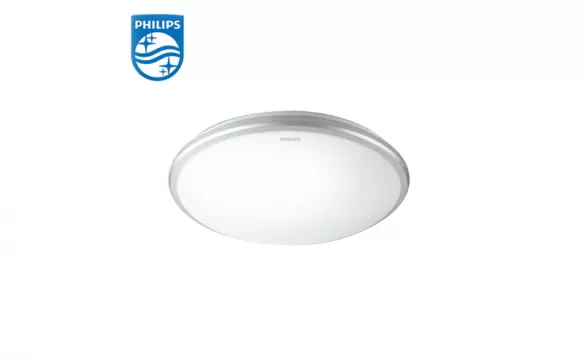
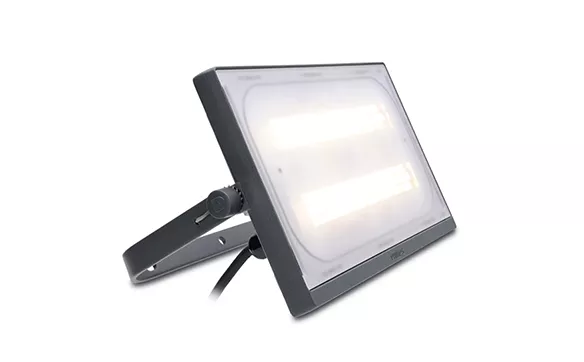
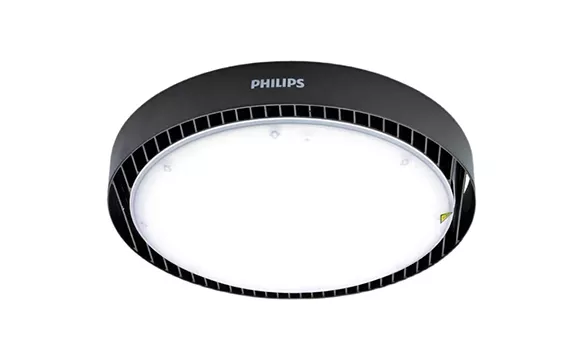
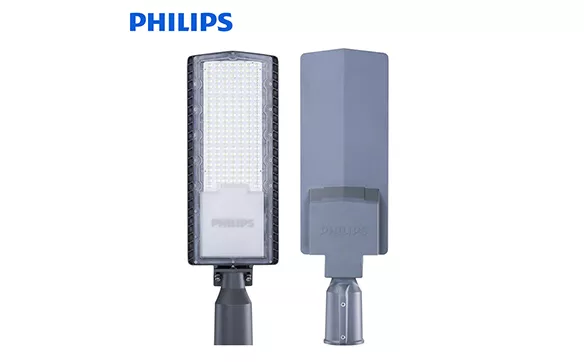
High Pressure Sodium (HPS) lamps have been a long-standing solution in the lighting industry, especially in applications where high efficiency and strong luminous output are critical. Recognized by their characteristic yellow-orange illumination, these lamps are widely adopted in street lighting, industrial environments, and horticultural systems. This article provides a clear overview of how HPS lamps operate, their key advantages, and their main application areas.
Understanding High Pressure Sodium Lamps
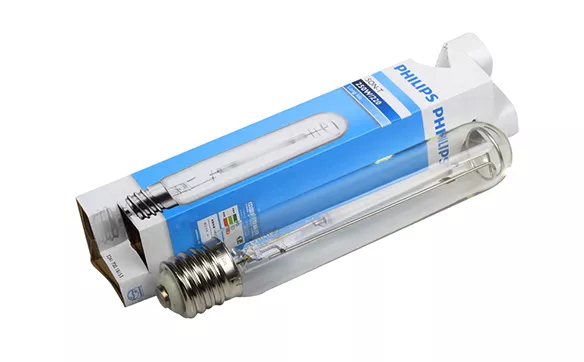
High Pressure Sodium lamps are gas-discharge light sources that generate illumination by passing an electric current through sodium vapor and other gas components inside a sealed arc tube. This process enables the lamp to produce a high level of visible light while maintaining relatively low energy consumption. As a result, HPS technology has remained a practical and cost-effective choice for large-scale lighting applications. Their distinct yellow-orange light is particularly effective in adverse weather conditions such as fog, rain, and dust, which explains their widespread use in outdoor and roadway lighting systems.
How HPS Lamps Work
The operation of an HPS lamp begins when a high-voltage pulse is applied to initiate an electrical arc inside the arc tube. This arc generates intense heat, gradually vaporizing the sodium and other elements contained within the tube. Once in vapor form, the sodium atoms become excited and emit light primarily in the yellow-orange spectrum, which is highly efficient in terms of lumen output per watt. The internal pressure of the lamp further enhances light efficiency, making HPS lamps significantly more effective than many traditional lighting technologies in high-intensity applications.
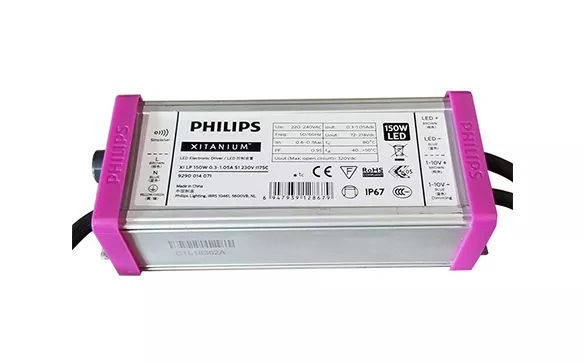
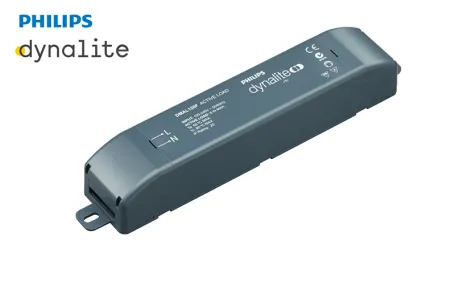
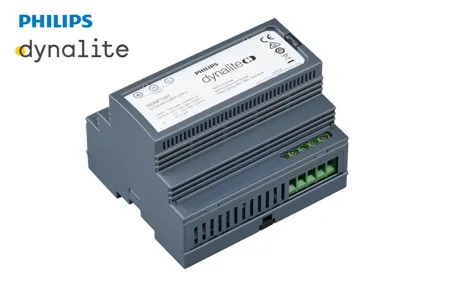
A key component in the operation of HPS lamps is the ballast, which regulates the electrical current supplied to the lamp. The ballast ensures stable voltage and current levels, allowing the lamp to operate safely and consistently. Without it, the lamp would be unable to start properly or maintain steady illumination, often resulting in flickering or failure. Ballasts are generally categorized into magnetic and electronic types, with electronic ballasts offering improved energy efficiency, reduced flicker, and better overall performance.
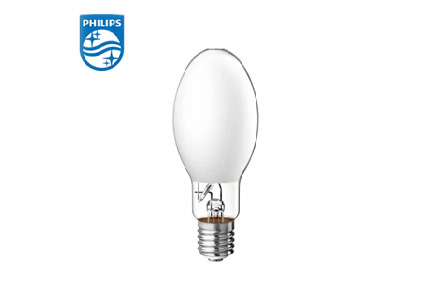
Components of an HPS Lamp
Understanding the components of an HPS lamp can provide insight into its functionality and performance. The main parts include:
· Arc Tube: This is the core of the lamp, where the sodium vapor gas mixture is contained and light is generated. It operates under high temperature and pressure conditions to produce illumination efficiently.
· Outer Bulb: The outer bulb encloses and protects the arc tube. It helps maintain internal temperature stability and allows light to be properly transmitted and diffused.
· Ballast: The ballast regulates the electrical current and voltage supplied to the lamp, ensuring stable operation and reliable ignition. It is essential for maintaining consistent performance during use.
Each of these components works together to produce the bright, efficient light that HPS lamps are known for. The choice of materials, especially the high-temperature resistant ceramic used in the arc tube, is critical to ensuring durability and long service life. Proper maintenance also plays a role in performance. Regular inspection of the ballast and keeping the lamp clean and free from dust or debris can help maintain stable light output and efficiency over time.
Advantages of High Pressure Sodium Lamps
High Pressure Sodium (HPS) lamps are widely used due to their strong performance in efficiency, durability, and lighting output. These characteristics make them suitable for a range of commercial, industrial, and outdoor applications.
Energy Efficiency
One of the key advantages of HPS lamps is their high energy efficiency. They are capable of producing a strong lumen output while consuming relatively low electrical power compared to traditional incandescent lighting. This efficient energy conversion helps reduce overall electricity costs and makes HPS lamps a more economical lighting solution for large-scale installations.
Longevity and Durability
HPS lamps are designed for long operational life, often reaching up to 24,000 hours or more depending on usage conditions. This extended lifespan reduces the need for frequent replacements, which is especially beneficial in applications such as street lighting or industrial facilities where maintenance can be time-consuming and expensive. In addition, their robust construction allows them to perform reliably in harsh outdoor and industrial environments.
High Lumen Output
Another important advantage of HPS lamps is their high lumen output. They are capable of illuminating large areas effectively, making them suitable for highways, parking lots, warehouses, and other wide-space environments. The strong, consistent light output improves visibility and contributes to safer conditions in both public and industrial settings.
Applications of High Pressure Sodium Lamps
High Pressure Sodium (HPS) lamps are widely used across multiple industries due to their strong light output, efficiency, and reliable performance in large-scale lighting environments.
Street and Highway Lighting
One of the most common applications of HPS lamps is street and highway lighting. Their high-intensity yellow-orange light provides effective roadway illumination, improving visibility for drivers and pedestrians. In addition, their energy efficiency makes them a cost-effective choice for municipal lighting systems, helping cities reduce electricity consumption while maintaining safety standards on roads and public streets.
Industrial and Commercial Use
HPS lamps are also widely used in industrial and commercial facilities such as warehouses, factories, and distribution centers. Their ability to deliver consistent, high-level illumination supports safe working conditions and enhances operational efficiency. The long service life of HPS lamps also reduces maintenance frequency, minimizing downtime caused by lamp replacement and maintenance activities.
Horticultural Lighting
In horticulture, HPS lamps are commonly used to support plant growth, particularly during flowering and fruiting stages. The light spectrum produced by HPS technology is highly effective for stimulating plant development, making it a popular choice for greenhouses and indoor farming systems. By providing stable and strong lighting conditions, HPS lamps help improve crop quality and yield in controlled growing environments.
Comparing HPS Lamps to Other Lighting Technologies
While High Pressure Sodium (HPS) lamps offer several advantages, it is important to compare them with other common lighting technologies to understand their performance characteristics and application suitability.
HPS vs. Metal Halide Lamps
Metal Halide (MH) lamps are also gas-discharge lamps often compared with HPS technology. MH lamps produce a whiter and cooler light that is closer to natural daylight, making them suitable for applications where color rendering is important. However, MH lamps generally have lower energy efficiency and shorter service life compared to HPS lamps.
In contrast, HPS lamps are more commonly used in applications where high lumen output and energy efficiency are the main priorities, such as street and highway lighting.
HPS vs. LED Technology
LED (Light Emitting Diode) lighting is widely recognized for its high energy efficiency and long lifespan. Compared to HPS lamps, LEDs consume less energy and typically last longer, which makes them increasingly popular in many lighting applications.
However, HPS lamps are still used in certain high-intensity lighting scenarios. They are valued for their strong light output and proven performance in large-area outdoor lighting. In some cases, HPS systems may also have lower initial installation costs compared to LED systems.
Challenges and Considerations with HPS Lamps
Despite their advantages, High Pressure Sodium (HPS) lamps also present certain limitations that should be considered when selecting a lighting solution. These factors mainly relate to light quality and operating behavior.
Color Rendering Index (CRI)
One of the main drawbacks of HPS lamps is their low Color Rendering Index (CRI). CRI measures how accurately a light source displays colors compared to natural daylight. HPS lamps typically have a CRI in the range of 20–30, which means color appearance can be distorted under their illumination. As a result, they are not suitable for applications where accurate color recognition is important, such as retail displays, design studios, or art galleries.
Warm-Up Time
Another limitation of HPS lamps is their warm-up period. They do not reach full brightness immediately after being switched on. Instead, they require several minutes to warm up and stabilize before achieving full light output. This delay can be a disadvantage in applications where instant illumination is required, such as security lighting or emergency situations.
Future of High Pressure Sodium Lamps
The future of High Pressure Sodium (HPS) lamps is closely tied to ongoing developments in lighting technology and shifting market requirements. Although HPS lamps have been widely used for many years, increasing demand for energy-efficient lighting is influencing how they are applied in modern systems.
Transition to Energy-Efficient Solutions
With energy efficiency becoming a key priority, many industries are gradually shifting toward LED lighting solutions. This transition is mainly driven by the need to reduce power consumption and improve overall energy performance. While HPS lamps are still used in certain applications, their usage may gradually decrease as LED technology becomes more widespread.
Retrofitting and Upgrading
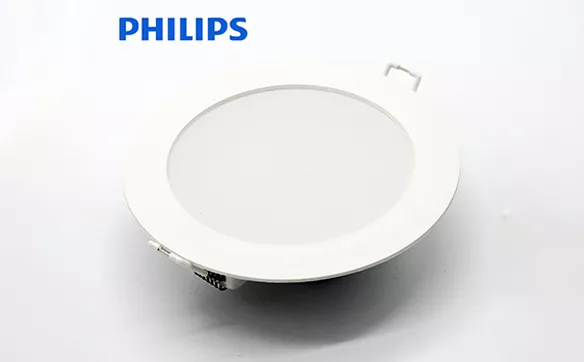
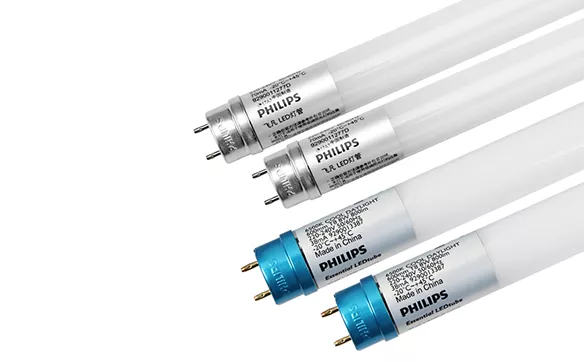
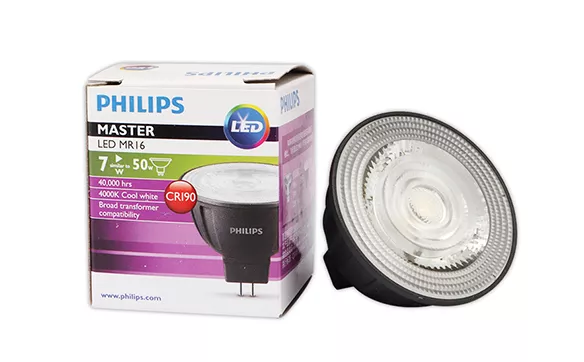
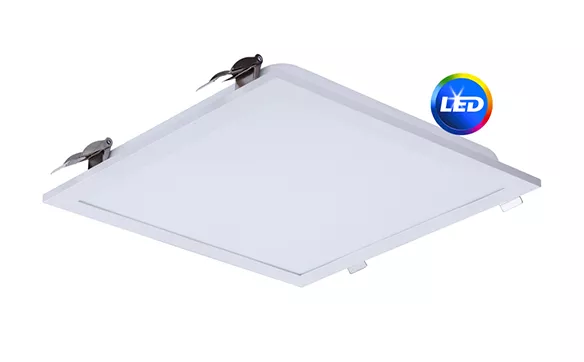
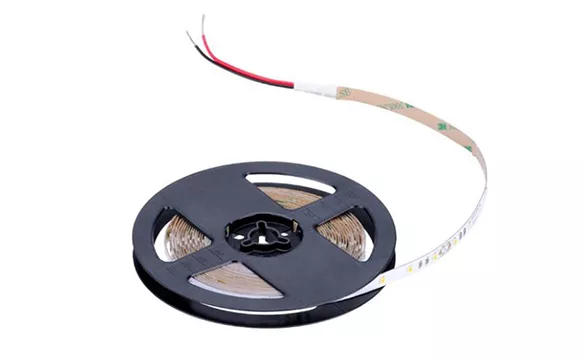
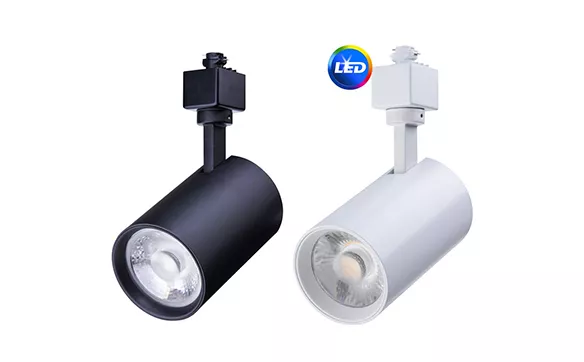
For existing installations, retrofitting HPS systems with LED alternatives is often considered a practical solution. Many manufacturers provide retrofit kits that allow users to upgrade lighting fixtures without replacing the entire system. This enables users to adopt more energy-efficient lighting while still utilizing existing infrastructure, reducing overall replacement costs and installation effort.
Conclusion
High Pressure Sodium lamps have long played an important role in the lighting industry due to their efficiency, durability, and high light output. They are widely used in street lighting, industrial facilities, and horticultural applications. However, limitations such as low color rendering index and warm-up time should also be considered when selecting a lighting solution.
As the industry continues to evolve, LED technology is increasingly becoming the preferred option in many applications. Even so, HPS lamps remain relevant in specific use cases where their performance characteristics are still suitable. Understanding both their advantages and limitations is essential for making informed lighting decisions.
Illuminate Your Space with BMT LIGHTING Solutions
As you evaluate your lighting needs, BMT LIGHTING is ready to support your transition toward more energy-efficient LED lighting solutions. With strong expertise in commercial and industrial LED systems, we provide high-quality indoor and outdoor lighting options designed for performance, reliability, and energy savings.
If you are looking to improve your lighting efficiency and upgrade your existing system, Ask an Expert at BMT LIGHTING today and take the first step toward a brighter and more sustainable lighting solution.