Headlights have come a long way since the early days of automobiles, evolving from acetylene lamps originally used on horse-drawn carriages to advanced adaptive laser systems found in today's high-end vehicles.
Currently, the most common types of headlights are halogen and LED. While manufacturers are gradually replacing halogen headlights with LEDs, both options offer distinct advantages. In this article, we'll explore the pros and cons of each type to help you determine which is the best choice for your needs.
What Are Halogen Headlights?
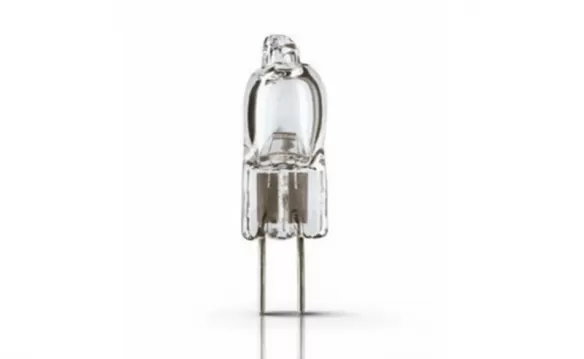
Halogen headlights, introduced in the 1960s, are an advanced form of incandescent light bulbs. They consist of a tungsten filament housed within a glass bulb filled with halogen gas and a mixture of other noble gases. These headlights produce a characteristic yellowish glow and have been a standard lighting choice for decades.
Pros and Cons of Halogen Headlights
Pros:
- Affordable to manufacture and replace
- Less glaring, softer yellowish light
Cons:
- Lower brightness compared to LEDs
- High energy consumption
- Shorter lifespan
Halogen headlights are widely used in entry-level vehicles worldwide due to their low cost and ease of replacement. Swapping out a halogen bulb is simpler than repairing a faulty LED unit, but their shorter lifespan means replacements are needed more frequently.
However, halogen bulbs are less energy-efficient, consuming approximately 80% more power than LED headlights. This increased energy consumption not only generates more heat but also puts extra strain on the vehicle's electrical system, potentially reducing overall efficiency over time.
Although halogen lights are not as bright as LEDs, their softer, yellowish glow is less likely to cause glare for other drivers, making them a more considerate option for shared road use.
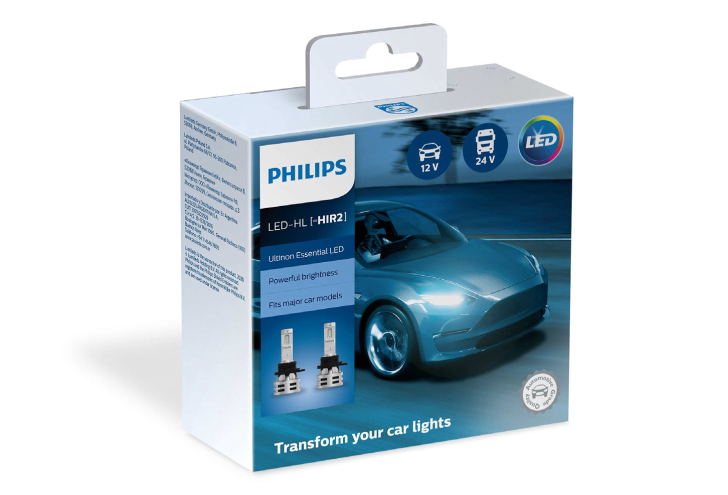
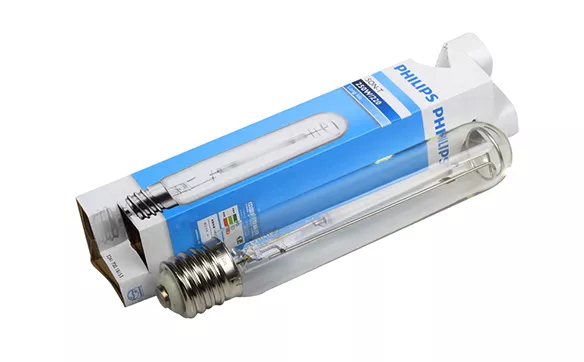
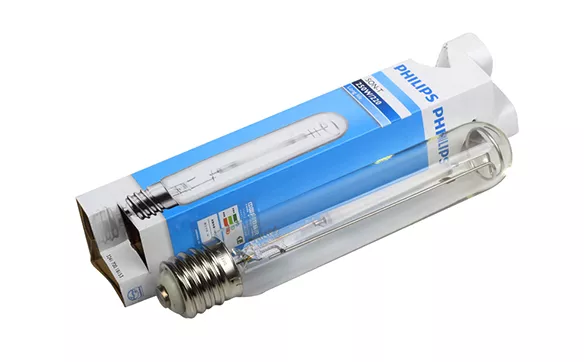
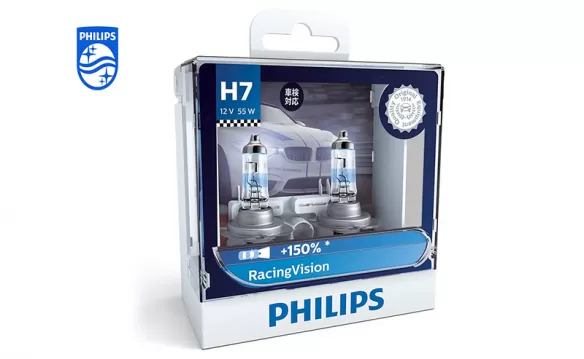
philips headlight bulbs
What Are LED Headlights?
LED, short for Light Emitting Diode, refers to a technology that produces light by passing electricity through tiny semiconductors, causing them to emit photons. This efficient electrical process creates a bright white light that effectively illuminates the road ahead, making LED headlights a popular choice for modern vehicles.
Pros and Cons of LED Headlights
Pros:
- Low power consumption
- Extremely bright beam
- Advanced headlight control capabilities
- Long lifespan
Cons:
- Potential to dazzle oncoming traffic
- Expensive to replace
The primary advantage of LED headlights is their efficiency. They consume approximately 80% less power than halogen bulbs, reducing strain on the vehicle's electrical system and improving overall fuel economy. This efficiency is particularly valuable for electric vehicles (EVs), where every watt saved translates into increased range.
LEDs are also highly versatile, available in various shapes and sizes, and their advanced technology supports adaptive features like matrix lighting, which can selectively dim individual LEDs to prevent blinding oncoming drivers.
In terms of durability, LED headlights outlast halogens by up to 10 times, but when they fail, replacement costs can be significant. Many manufacturers design sealed headlight assemblies, requiring the replacement of the entire unit instead of just the LED component, adding to the expense.
For older budget cars, a failed LED headlight could even render the vehicle uneconomical to repair. However, as LED technology becomes more widespread—now standard in over 60% of new cars globally—replacement costs are expected to decline, making this advanced lighting solution more accessible in the future.
Which Is the Better Headlight – Halogen or LED?
With auto manufacturers already well on the way to adopting LED headlights as standard fitment, the days of the halogen bulb are numbered.
If you are buying new, the choice is often already made for you, although upgrading to adaptive LED headlights for car or even laser lights is sometimes an option on luxury models. The stronger light quality, long lifespan and lower energy use of LED lights make them a great choice in general, and replacement costs should come down as market adoption rates increase.
Halogen lights still have their place in budget cars, as well as in the used car market. The low replacement costs are the biggest drawcard, ensuring that a blown bulb or damaged headlight unit don't equate to an exorbitant replacement cost.