What Is an LED Track Light?
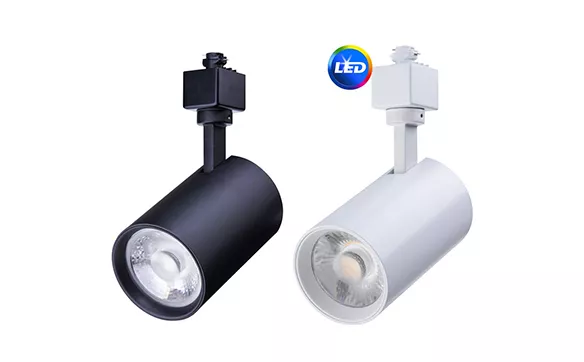
An LED track light is a lighting system that uses light-emitting diodes (LEDs) as its light source. It consists of a track mounted on the ceiling or wall and multiple adjustable light heads. You can think of the track as a rail and the light heads as movable fixtures that can slide and rotate freely, allowing you to direct light where it is needed.
At home, LED track lights can illuminate dining areas or accent walls. In retail stores, they can highlight displayed products. In industrial settings, they provide focused lighting for work areas. Their flexible design makes them a practical choice for a wide range of lighting applications.
Today, LED track lights are widely used in homes, retail spaces, and industrial facilities. They not only provide bright, energy-efficient illumination but also allow users to adjust the lighting direction easily. In this article, you'll learn how LED track lights work, their basic structure, and why they are suitable for different environments. Whether you're upgrading your home or looking for an efficient LED lighting solution for a commercial or industrial space, this guide will help you better understand LED track lighting.
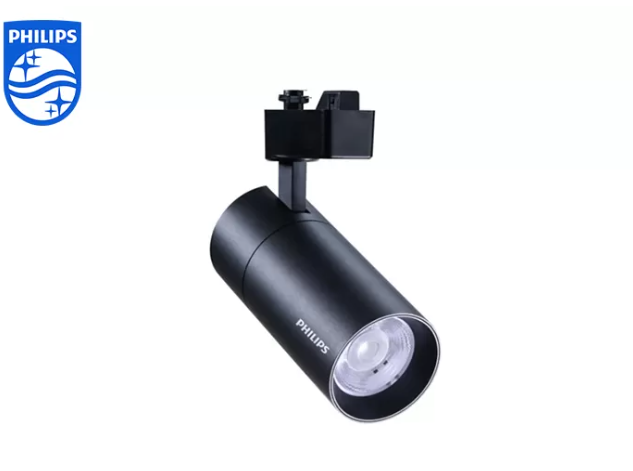
Core Components of LED Track Lights
Although LED track lights may seem complex, they are actually made up of five main components:
LED Light Source
The LED light source is the core of the track light and typically consists of multiple LED chips. These semiconductor chips emit light when an electric current passes through them.
Lamp Housing / Heat Dissipation System
LEDs generate heat during operation, so an effective heat dissipation system is essential. The lamp housing is usually made of aluminum alloy or other thermally conductive materials to help dissipate heat, ensuring the longevity and stable performance of the LED chips.
LED Driver
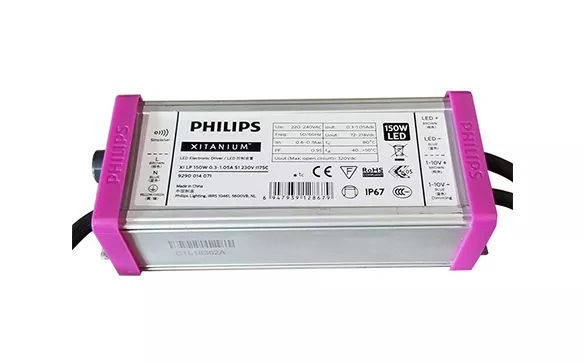
LEDs require a DC power supply, while the mains supply is AC. The LED driver converts AC power into stable DC power and regulates the current to protect the LEDs from overcurrent or insufficient current.
Track Power Contacts
LED track lights are installed on conductive track systems. The power contacts connect the fixture to the track, supplying electricity while allowing the light head to be repositioned along the track as needed.
Reflector and Diffuser
The reflector directs and concentrates the light beam, while the diffuser helps soften the light, reduce glare, and provide more even illumination.
These components work together to deliver high lighting efficiency, long service life, and consistent lighting performance. Some track systems are single-circuit, allowing all light heads to be controlled together, while multi-circuit systems support independent group control, making them ideal for commercial spaces that require greater lighting flexibility. Regardless of the track type, the coordination of these components enables LED track lights to operate efficiently.
LED Track Light Working Principle
So, how does an LED track light produce light? The process is actually quite simple.
The working principle of an LED track light is based on the characteristics of light-emitting diodes (LEDs). When an electric current passes through the semiconductor material inside the LED chip, it generates light. An LED track light typically consists of an LED light source, track power contacts, and an LED driver.
LED Light Source
The LED light source is the core of the track light. The LED chip emits light when it is energized by an electric current. This process is based on the electronic transition within semiconductor materials, where electrons release photons as they move from a higher energy state to a lower energy state.
Track Power Contacts
LED track lights are installed on conductive tracks that supply power to the fixtures. Electrical conductors inside the track deliver electricity through contact points, allowing each light head to receive power while remaining movable along the track.
LED Driver
LEDs require a stable DC power supply, while the mains supply is AC. The LED driver converts AC power into DC power and regulates the current to ensure the LED chip operates safely and efficiently.
Working together, these components enable LED track lights to deliver efficient and energy-saving illumination.
The process begins when electrical power enters the track from the power source. Conductive strips inside the track transfer electricity to the light head through its contact points. The LED driver then converts and regulates the power before supplying it to the LED chip, which produces light to illuminate the desired area.
Unlike traditional incandescent bulbs, LEDs generate light without heating a filament, making them much more energy efficient. For example, a 10-watt LED track light can provide a similar level of brightness to a much higher-wattage incandescent bulb while consuming significantly less electricity. In addition, the adjustable lamp head allows users to direct light precisely where it is needed, whether highlighting artwork, illuminating a display, or providing focused lighting for a work surface. This flexibility makes LED track lights suitable for a wide range of residential, commercial, and industrial applications.
Installation and Personalized Selection
LED track lights offer flexible installation options and adjustable lighting, making them suitable for a variety of spaces and applications. They can be mounted on ceilings or walls, while the light heads can be repositioned and adjusted to suit different lighting needs. Personalization options, such as color temperature, brightness, fixture style, and smart control features, allow users to create lighting solutions that match different environments and interior designs.
Installing LED track lights is relatively straightforward, with three common installation methods:
· Surface-Mounted: Installed directly on the ceiling or wall, making it suitable for most homes, commercial spaces, and industrial environments. This is the simplest installation method.
· Recessed: The track is concealed within the ceiling for a clean, seamless appearance, making it a popular choice for modern homes and high-end retail spaces.
· Suspended: The track is suspended from the ceiling using cables or rods, making it ideal for high ceilings, warehouses, showrooms, and open-plan living spaces.
After the track is installed, the lighting can be adjusted as needed. The light heads can slide along the track and rotate to direct light exactly where it is required, whether for focused accent lighting or wider general illumination. For added flexibility, users can install a dimmer to adjust brightness or integrate the system with a smart home platform for convenient control through a mobile app or voice commands.
In Summary
The working principle of LED track lights is straightforward. Electricity is delivered through the track to the LED light heads, which produce efficient illumination, while the adjustable design allows the light to be directed where it is needed. This combination of simplicity, efficiency, and flexibility makes LED track lighting an excellent choice for residential, commercial, and industrial applications.
Whether you want to create a warm atmosphere in your living room, highlight products in a retail store, or improve visibility in a factory or workspace, LED track lights offer a practical lighting solution. As LED technology continues to evolve, features such as smart controls and intelligent lighting systems are making track lighting even more convenient and energy efficient.
How LED Track Lights Work FAQ
1. What are the disadvantages of track lighting?
Track lighting has a few limitations to consider:
· Aesthetic limitations: Its modern or industrial appearance may not suit every interior design style.
· Installation complexity: Some systems require hardwiring, which may involve professional installation.
· Limited coverage: Depending on the layout and number of fixtures, track lighting may not provide even illumination across large spaces.
2. How does LED track lighting get power?
LED track lighting receives power through the track, which is connected to the building's electrical supply. The conductive track distributes electricity to each light fixture attached to it.
3. Does LED track lighting need to be hardwired?
Most LED track lighting systems are hardwired into the building's electrical system. However, some plug-in track lighting systems are available and can be connected to a standard electrical outlet.
4. How long do LED track lights last?
LED track lights typically have a lifespan of 25,000 to 50,000 hours, depending on product quality, operating conditions, and maintenance.
5. What is better than LED track lighting?
The best lighting solution depends on your application.
· Recessed lighting provides a clean, minimalist appearance and more uniform illumination.
· Pendant lighting is ideal for decorative and task lighting over specific areas, such as dining tables or kitchen islands.
· Smart lighting systems offer advanced control features, including dimming, color adjustment, scheduling, and integration with smart home platforms.
6. Can you use LED bulbs in track lighting?
Yes. Many track lighting systems are compatible with LED bulbs, while others feature integrated LED modules. LEDs are widely recommended because they offer excellent energy efficiency, a long service life, and lower heat output than traditional incandescent or halogen bulbs.