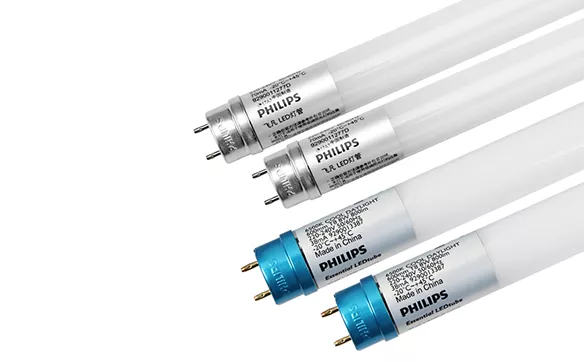
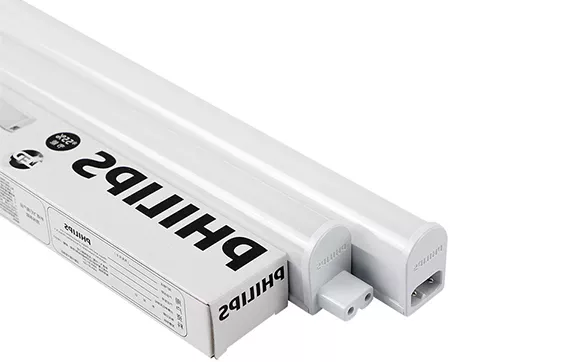
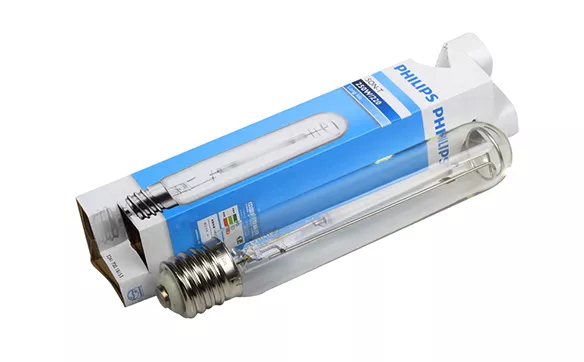
LED linear lighting is a lighting system that uses light-emitting diodes arranged in a long, narrow fixture or channel to produce a continuous line of light. It is widely used in offices, retail stores, warehouses, hotels, schools, homes, and architectural projects because it can provide both practical illumination and a clean, modern appearance.
Unlike a single bulb or downlight, a linear LED fixture spreads light along its length. This makes it especially useful for long rooms, work surfaces, aisles, corridors, shelves, and architectural features. Linear lights may be surface-mounted, suspended, recessed, wall-mounted, or integrated into ceilings, cabinets, handrails, and furniture.
This guide explains how LED linear lighting works, where it can be used, how it differs from LED strip lighting, and which specifications should be checked before choosing a system.
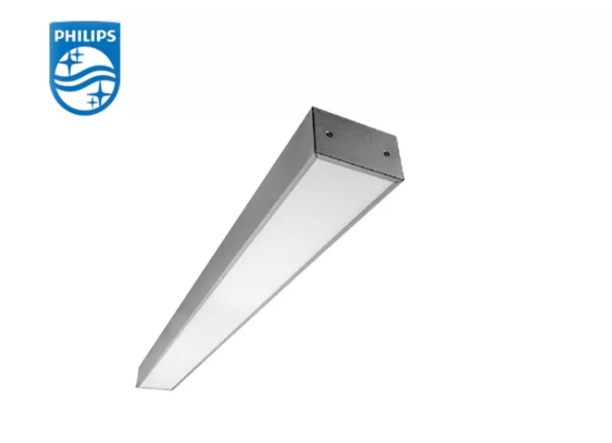
How Does LED Linear Lighting Work?
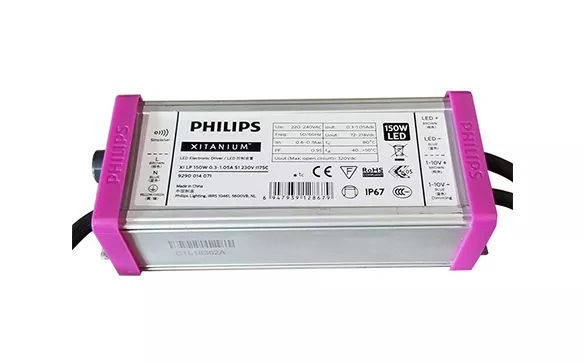
A typical LED linear light contains rows of LED packages mounted on a circuit board. A driver converts the incoming electrical supply into the controlled current required by the LEDs. The fixture may also include an aluminum housing, thermal management components, reflectors or lenses, and a diffuser that softens the light and reduces visible bright spots.
The shape of the fixture allows the LEDs to distribute light across a longer area than a compact lamp. Depending on the optical design, the light can be directed downward, upward, toward a wall, across a shelf, or in more than one direction.
The term covers several product types:
◆ Linear pendant lights: Suspended from a ceiling, often above desks, reception counters, conference tables, and retail displays.
◆ Surface-mounted linear lights: Fixed directly to a ceiling or wall when recessed installation is not practical.
◆ Recessed linear lights: Installed inside a ceiling or wall to create a flush, integrated line of light.
◆ Continuous-row systems: Individual sections connected end to end for long, visually uninterrupted runs.
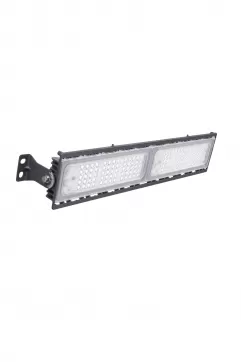
◆ Linear high-bay lights: High-output fixtures designed for warehouses, factories, gymnasiums, and other high-ceiling spaces.
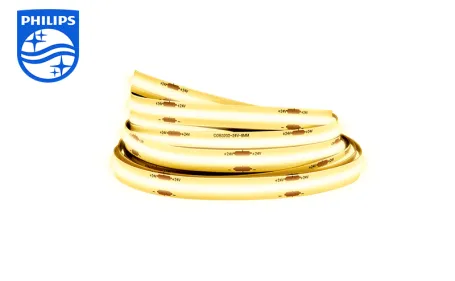
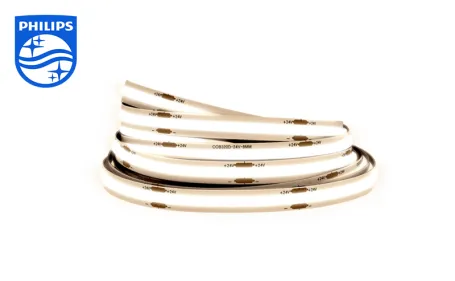
◆ LED profiles with flexible strip: LED tape installed inside an aluminum channel with a diffuser, commonly used for coves, cabinets, shelves, stairs, and decorative details.
LED Linear Light vs. LED Strip Light: What Is the Difference?
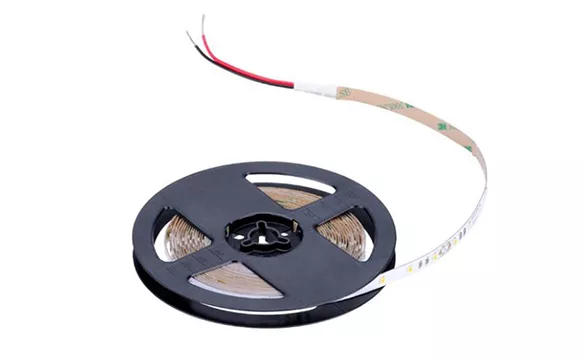
The terms are sometimes used interchangeably, but they do not always describe the same product. An LED strip light is normally a flexible circuit board with LEDs placed at regular intervals. It may have adhesive backing and usually requires a separate profile, diffuser, driver, and wiring arrangement to become a finished installation.
A linear LED light is generally a complete or engineered luminaire. It may contain a rigid LED board, driver, housing, optics, mounting hardware, and connection system. Linear luminaires are therefore commonly selected for general lighting, while flexible strips are frequently used for accent lighting or integration into custom details.
The boundary is not absolute. A professionally designed strip-and-profile system can also provide general illumination, provided it has suitable light output, thermal management, glare control, and electrical protection.
Where Can LED Linear Lighting Be Used?
The best application depends on the fixture's output, optical distribution, mounting method, environmental rating, and visual design.
| Application | Typical Use of Linear Lighting | Important Selection Factors |
|---|
| Offices | Workstation lighting, meeting rooms, reception areas, direct/indirect pendant runs | Glare control, dimming, uniformity, comfortable CCT, flicker performance |
| Retail stores | Aisles, shelves, display walls, checkout counters, decorative ceiling lines | High CRI, product color appearance, flexible layouts, beam control |
| Warehouses | Aisles, racks, packing zones, loading areas, high-bay general lighting | High output, aisle optics, mounting height, controls, dust and temperature conditions |
| Factories and workshops | Assembly lines, inspection stations, machine areas, general lighting | Task visibility, durability, glare reduction, maintenance access, suitable IP rating |
| Hotels and restaurants | Lobbies, corridors, coves, bars, counters, wall washing | Warm CCT options, smooth dimming, concealed installation, consistent light color |
| Schools and libraries | Classrooms, reading areas, laboratories, corridors | Visual comfort, low glare, even illumination, controls, maintainability |
| Homes | Kitchen counters, wardrobes, stairways, coves, home offices, garages | Fixture size, warm or neutral CCT, dimming compatibility, safe installation |
| Outdoor spaces | Facades, canopies, pathways, parking structures, signage | Wet-location suitability, IP rating, corrosion resistance, operating temperature |
1. Offices and Commercial Workspaces
Linear pendant and recessed fixtures are popular in open-plan offices because they can follow desk rows and provide uniform illumination across work surfaces. Direct/indirect luminaires send some light downward for tasks and some upward toward the ceiling, which can reduce harsh contrast and make a space feel brighter.
For office applications, output alone is not enough. Designers should consider glare, spacing, ceiling height, screen use, flicker, controls, and the balance between horizontal and vertical illumination. A photometric plan is preferable to choosing fixtures only by wattage.
2. Retail Stores and Showrooms
In retail environments, linear lighting can guide shoppers through aisles, illuminate shelves, define departments, and highlight display walls. Continuous luminous lines also help create a consistent visual identity across a store.
Color rendering is particularly important where customers judge the color and texture of clothing, food, furniture, cosmetics, or finishes. A high color rendering index can improve color fidelity, but buyers should also evaluate the spectral quality of the actual product and, when possible, review a sample under real merchandising conditions.
3. Warehouses and Logistics Centers
Linear high-bay fixtures are well suited to long warehouse aisles because their optical distribution can place light along rack faces and the floor rather than wasting it above shelving. They are also used in packing, sorting, dispatch, and loading zones.
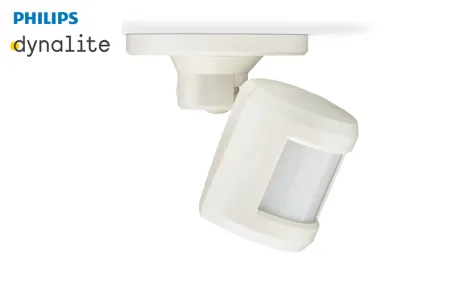
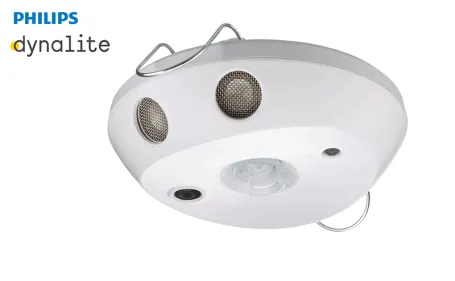
The correct design depends on mounting height, aisle width, rack height, required illuminance, operating hours, and the presence of dust or temperature extremes. Occupancy sensors can reduce unnecessary operating time in intermittently used aisles, while daylight controls may be valuable near skylights or perimeter windows.
4. Industrial and Manufacturing Facilities
Factories need lighting that supports the actual task. A general assembly area, fine inspection station, machine shop, and paint-finishing zone may require different light levels, optics, color rendering, and protection ratings.
Linear luminaires can be arranged parallel to production lines so that light reaches the work area with fewer disruptive shadows. In demanding environments, confirm resistance to dust, moisture, impact, vibration, cleaning chemicals, or elevated ambient temperatures. Hazardous locations require luminaires specifically certified for that environment; an ordinary IP-rated fixture is not a substitute.
5. Hospitality and Residential Interiors
Hotels, restaurants, and homes often use linear lighting as an architectural element. It can be concealed in coves to provide indirect ambient light, installed beneath kitchen cabinets for task lighting, placed inside wardrobes, or recessed into walls and ceilings to create geometric patterns.
In relaxation-focused spaces, warmer light is often preferred. However, color temperature should be selected together with finishes, daylight, and the desired atmosphere rather than by following a single rule. Dimming allows the same installation to support cleaning, daytime use, dining, and evening ambience.
6. Outdoor and Wet Locations
LED linear lights can be used on facades, under canopies, around building entrances, in parking structures, and along pathways. The product must be approved for the actual environment. A fixture suitable for a dry interior may fail or become unsafe if exposed to rain or persistent moisture.
Check the manufacturer's stated dry-, damp-, or wet-location suitability and any applicable ingress-protection rating. The installation details matter too: connectors, end caps, cable entries, drivers, and mounting hardware must all be appropriate for the exposure. In coastal or industrial areas, corrosion resistance may be as important as water protection.
What Are the Main Benefits of LED Linear Lighting?
Continuous and Uniform Illumination
Linear systems can distribute light over long surfaces and reduce the patchy appearance created by widely spaced point sources. Diffusers and well-designed optics help achieve a visually continuous line, although very shallow profiles or widely spaced LEDs may still show bright dots.
Flexible Layouts
Straight sections can be arranged as single runs, rectangles, crosses, grids, or custom patterns. Some systems also offer corners, curves, T-junctions, and field-adjustable lengths. This flexibility lets lighting support both the architecture and the work being performed.
Energy and Control Options
LED technology can deliver high luminaire efficacy and works well with occupancy sensing, daylight response, scheduling, and dimming. Actual savings depend on the efficiency of the complete luminaire, the lighting layout, control strategy, operating hours, and the system being replaced. Comparing watts alone does not show whether two fixtures provide the same useful illumination.
Reduced Relamping
LED systems generally require less frequent lamp replacement than traditional fluorescent systems. However, product life depends on thermal design, driver quality, operating temperature, electrical conditions, and the definition used for rated life. Buyers should review lumen-maintenance and warranty information instead of treating a headline lifetime figure as a guarantee.
How Do You Choose the Right LED Linear Light?
Start with the application rather than the fixture appearance. The following specifications answer most buyer questions.
1. Light output: Compare lumens and photometric data, not wattage alone. Required output changes with mounting height, surface reflectance, spacing, and task needs.
2. Luminaire efficacy: Measured in lumens per watt, efficacy helps compare energy performance, but it should be evaluated alongside glare, color quality, and light distribution.
3. Color temperature: Warm white light is commonly used for hospitality and relaxed interiors, while neutral or cooler white is often chosen for offices, schools, retail, and industrial areas. The best choice is project-specific.
4. Color rendering: Check CRI and any additional color-quality data relevant to the application. Retail, hospitality, healthcare, inspection, and design work may need stronger color performance than circulation areas.
5. Optical distribution: Wide, narrow, asymmetric, batwing, direct, and direct/indirect distributions serve different layouts. Request an IES or LDT photometric file when planning a commercial project.
6. Glare control: Look beyond a generic “low-glare” claim. Consider the diffuser or louver, source brightness, viewing angles, mounting position, and a project-level glare assessment.
7. Dimming and controls: Confirm compatibility among the fixture, driver, dimmer, sensors, and control protocol. Common options can include phase dimming, 0–10 V, DALI, or wireless controls, depending on the market and product.
8. Environmental suitability: Verify dry, damp, or wet-location approval; IP rating; ambient temperature range; and resistance to impact, corrosion, or chemicals where needed.
9. Installation system: Check suspension kits, recessed housings, joiners, feed points, maximum run length, emergency-lighting options, and access to drivers for maintenance.
10. Compliance and warranty: Confirm the certifications required in the destination market, the warranty terms, and whether replacement drivers or modules will remain available.
Frequently Asked Questions About LED Linear Lighting
Can LED linear lighting be used as the main light source?
Yes. A properly designed linear system can provide general illumination in offices, classrooms, stores, warehouses, homes, and many other spaces. The layout must deliver suitable light levels and uniformity while controlling glare. Decorative LED tape with low output may not be sufficient by itself.
Is every LED linear light dimmable?
No. Dimming depends on the driver and control system. A fixture described as dimmable must still be matched with a compatible dimmer or protocol. Incompatible components may cause flicker, limited dimming range, noise, or unstable operation.
Can linear lights be connected into one continuous run?
Many systems support end-to-end connection, but maximum run length is limited by the product's electrical and mechanical design. Confirm feed locations, connector capacity, voltage drop, driver loading, and whether the diffuser can create a visually continuous appearance across joints.
Can LED linear lighting be cut to size?
Flexible LED strips usually have designated cutting points. Complete linear luminaires may be available in standard, modular, or custom lengths, but they should not be cut unless the manufacturer specifically permits field cutting. Cutting an unapproved fixture can damage electrical insulation, thermal management, sealing, and certification.
Is LED linear lighting suitable for outdoors?
Yes, when the complete product and installation are rated for the exposure. Indoor linear fixtures should not be placed outdoors simply because the LEDs operate at low voltage. Moisture protection, connectors, drainage, UV resistance, temperature limits, and corrosion resistance all need to be checked.
How far apart should linear lights be installed?
There is no universal spacing. It depends on ceiling height, beam distribution, lumen output, room proportions, target illuminance, and surface reflectance. Commercial projects should use photometric calculations or a lighting simulation, followed by a mock-up when visual comfort or finish quality is critical.
Final Thoughts
LED linear lighting is more than a long light fixture. It is a flexible lighting approach that can provide general, task, accent, or architectural illumination in spaces ranging from offices and shops to factories and building exteriors. Its main strengths are even light distribution, adaptable mounting, continuous visual lines, and compatibility with modern controls.
The right product, however, depends on where and how it will be used. Before ordering, define the required light level, mounting method, optical distribution, color quality, glare target, dimming system, environmental exposure, and compliance requirements. For larger commercial or industrial projects, photometric files, lighting calculations, samples, and a clear installation plan are more reliable than selecting a fixture by wattage or appearance alone.