What Is High Bay Lighting, and What Applications Benefit from It?
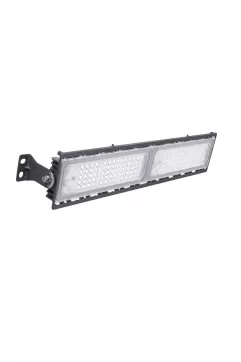
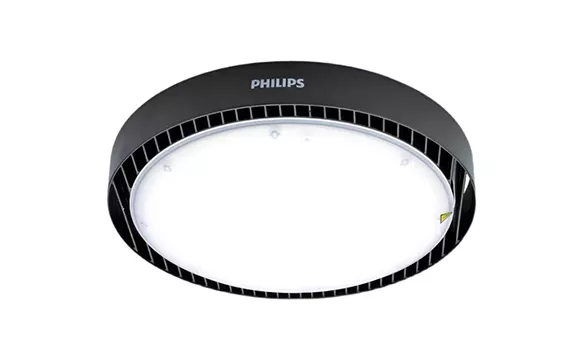
High bay lighting is suitable for illuminating large indoor spaces with high ceilings, such as manufacturing facilities, gymnasiums, warehouses, factories, and large department stores. These spaces typically have extensive vertical and horizontal areas, requiring powerful lighting to achieve adequate foot-candle levels. High bay lighting fixtures are usually suspended from the ceiling using hooks, chains, or pendants, or mounted directly to the ceiling, similar to troffer lights.
Common applications for high bay lighting include:
◆ Warehouses
◆ Industrial facilities
◆ Manufacturing facilities
◆ School and university gymnasiums
◆ Municipal facilities, such as community centers and recreation centers
◆ Commercial spaces, such as department stores
Why Choose LED High Bay Lights Instead of Metal Halide, Fluorescent, or Other Conventional High Bay Lights?
Historically, various lighting technologies have been used in warehouses and industrial facilities where high bay lighting is required. Some of the most common options include metal halide (MH), high-pressure sodium (HPS), and fluorescent lighting. While each technology has its own advantages, industrial LED lighting outperforms conventional alternatives in several important ways. Consider the following factors when deciding whether an LED retrofit is appropriate for your warehouse or industrial space.
Industrial LED Lighting vs. Metal Halide High Bay Lights
If you have ever attended a ballgame, you have likely seen metal halide lights illuminating the field. MH lamps are commonly used in sports venues, warehouses, and industrial facilities, as well as other environments with large spaces and high ceilings. Their benefits include decent color rendering and relatively adequate foot-candle levels compared with other conventional lighting technologies. However, major drawbacks include long warm-up times, sometimes taking 15–30 minutes to reach full output, high maintenance costs, and flickering as the lamps approach failure. In addition, much of the energy they consume is wasted as heat.
LED High Bay Lighting vs. High-Pressure Sodium (HPS) Lights
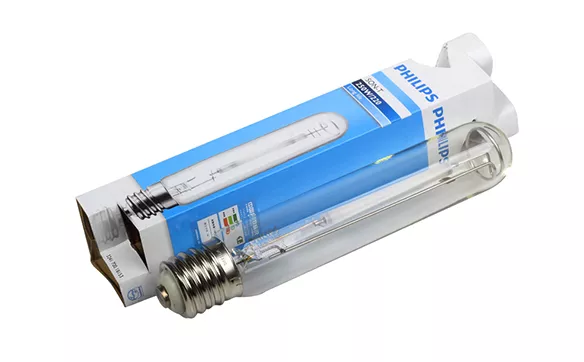
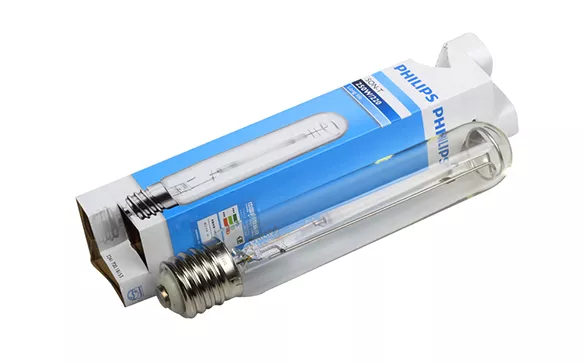
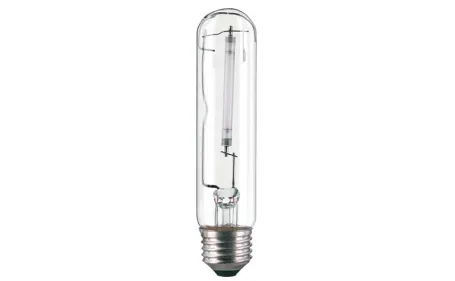
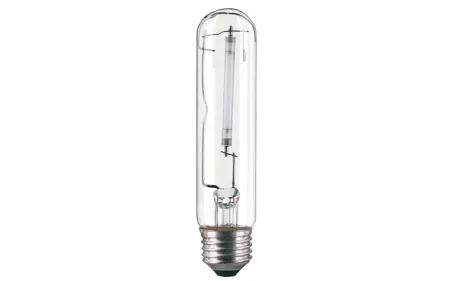
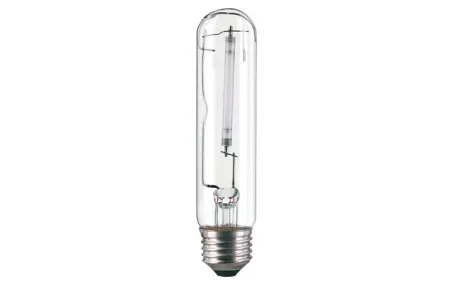
HPS lights are frequently used in warehouses, industrial facilities, commercial buildings, and recreational spaces where high bay lighting is needed. Their advantages include a low initial purchase price, relatively high energy efficiency that helps reduce operating costs, and a comparatively long lifespan. Although HPS technology retains these advantages over many conventional lighting options, LED high bay lights can offer improvements in all three areas. HPS lighting also has significant drawbacks, including some of the poorest color rendering among common lighting technologies and the need for a warm-up period before reaching full brightness.
Industrial LED Lighting vs. Fluorescent Lighting
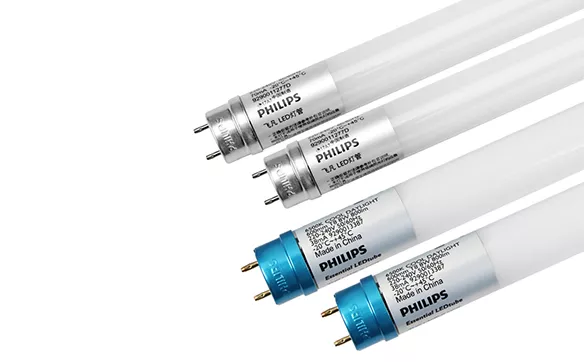
Although less common in some industrial environments, fluorescent lighting is still used in warehouses and industrial facilities, primarily in T12, T8, and T5 configurations. Its advantages include lower initial costs and relatively high energy efficiency, particularly compared with some other conventional lighting technologies. However, fluorescent lights contain toxic mercury, which requires specific handling and disposal procedures. Their lifespan can also decrease when they are frequently switched on and off, and they require a ballast to regulate and stabilize light output.
What Are Three Major Benefits of Using LED Lighting Technology for All Applications, Including High Bay?
LED lighting technology has surpassed conventional lighting in several important ways. In addition to the advantages discussed above, LED lighting offers three general benefits that apply to virtually all lighting applications, including high bay lighting.
1. Decreased Maintenance Requirements
As discussed above, LED lights can have a lifespan four to forty times longer than many conventional bulbs, meaning fewer replacements when bulbs wear out. LED lighting technology also generates light differently from traditional gas-discharge and filament-based lighting by using a diode (learn more in this blog). This design involves fewer components that can fail, resulting in fewer repairs and replacements.
Maintenance is particularly important for industrial and warehouse lighting. By definition, high bay lights are mounted at greater heights, meaning that replacing a bulb often requires specialized equipment or careful planning. Scaffolding, catwalks, and hydraulic lifts are commonly used to access and replace bulbs, and each can add to maintenance expenses or equipment costs. Thanks to the long lifespan of industrial LED lighting, fixtures need to be replaced much less frequently, helping reduce maintenance costs and improve your bottom line.
2. Improved Lighting Quality
Industrial LED lighting and high bay lights typically perform better than many conventional bulbs in terms of color rendering index (CRI), correlated color temperature (CCT), and foot-candle levels.
CRI measures a light source's ability to reveal the true colors of objects compared with an ideal reference light source, such as natural light. In simpler terms, CCT describes the appearance of the light emitted by a bulb: does it look warm and reddish or cool and bluish-white? Foot-candles measure the amount of light falling on a surface, helping determine whether an area receives sufficient illumination. Together, these factors help assess lighting quality and suitability for a particular application. LED lights perform well across all three areas, making them an effective choice for a wide range of lighting needs.
3. Increased Energy Efficiency
LED lights not only generate light differently from conventional lighting technologies but also distribute light more effectively, reducing the energy required to achieve comparable illumination levels. How does this work? First, many conventional lights waste a significant portion of the energy they consume by releasing it as heat, particularly metal halide lighting. Second, most conventional lights are omnidirectional, meaning they emit light in all directions across a 360-degree range. As a result, considerable light may be directed toward the ceiling or lost when fixtures are needed to redirect it toward the intended area.
Industrial LED lighting designed for applications requiring high bay lights addresses both sources of energy waste by reducing unnecessary heat generation and directing light more effectively toward the areas that need illumination.